
Nepal has always been called the Gateway to the Himalayas, a land where snow-clad peaks rise higher than the imagination and timeless traditions anchor everyday life. For decades, it was seen as the preserve of trekkers and mountaineers. But today, Nepal is stepping into a new role - one where culture, wilderness, and exclusivity combine to make it one of Asia’s most compelling luxury destinations.
This Nepal luxury travel guide isn’t about covering ground quickly; it’s about uncovering contrasts. In Kathmandu, medieval squares basically buzz with life, while they are nearby Patan and Bhaktapur, they still preserve the artistry that feels centuries untouched. A short flight away are Pokhara’s lakes and Annapurna vistas which basically slow time itself, while staying at a luxury lodge in Chitwan National Park, where the wilderness feels close, yet every comfort is thoughtfully taken care of. And for those chasing extraordinary moments, few experiences rival a helicopter breakfast overlooking Mount Everest.
So basically what makes Nepal stand apart is its exclusivity by design. A place where privacy, authenticity, and also rare experiences aren’t added luxuries, rather they are woven into the fabric of the journey. This is basically a destination where every day carries the potential to surprise you, restore you, and inspire you.
Himalayan Luxury Experiences
The Himalayas aren’t just mountains in Nepal, but they are the very backdrop of the nation, they shape its rhythm and its allure. And for the luxury travelers, this is where adventure meets exclusivity.
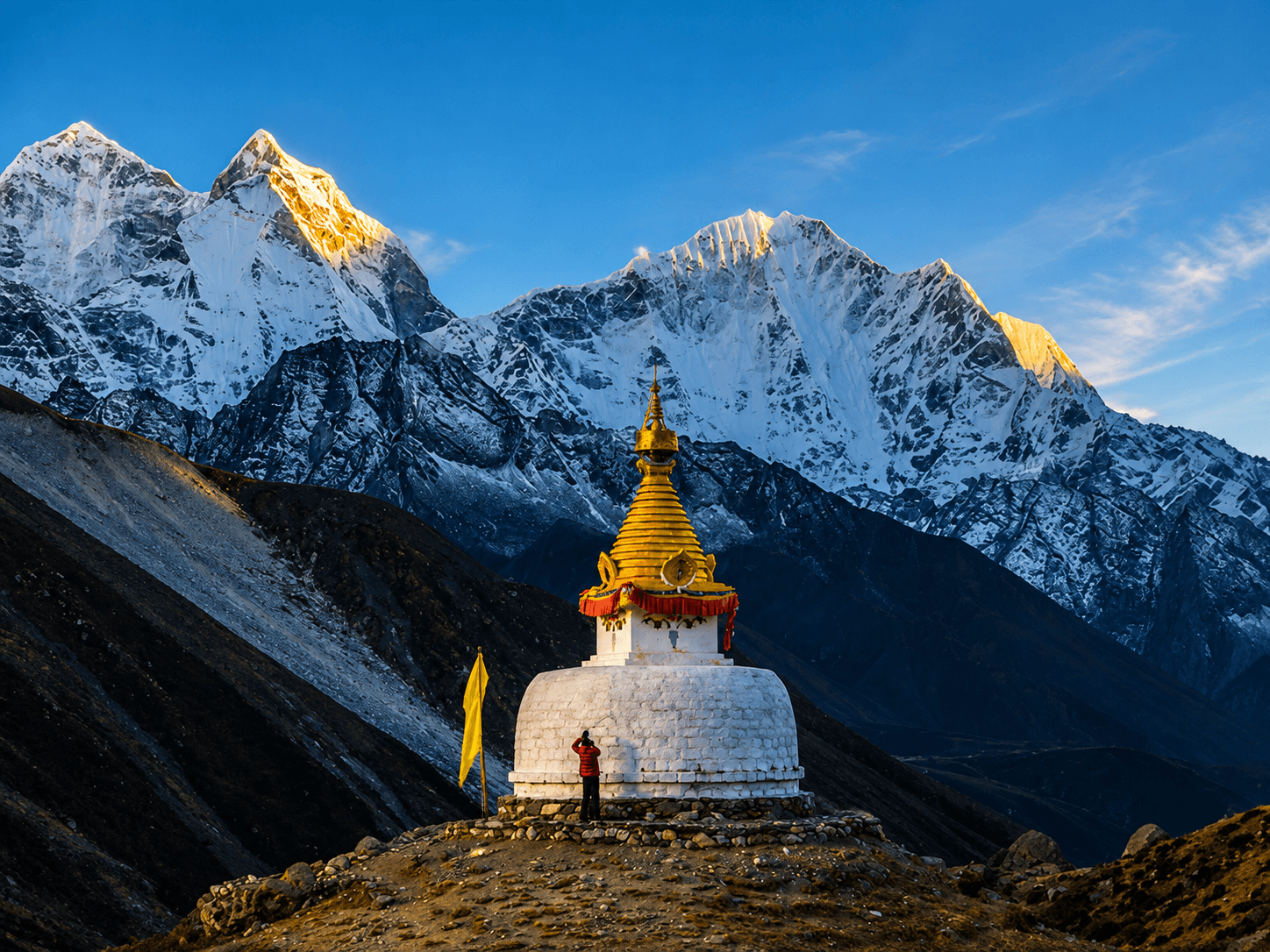
One of the most iconic experiences is the Everest Base Camp trek package, but these days it doesn’t always mean roughing it with basic tea houses. Luxury lodges, helicopter transfers, and also the curated routes allow you to witness Everest’s majesty without even sacrificing your comfort. Imagine flying directly into the Khumbu region, then walking short with scenic stretches, and then returning each evening to warmth, fine dining, and also attentive service.
The Annapurna Base Camp trek offers a different kind of drama. Here, basically the trails wind through rhododendron forests, terraced villages, and also valleys that slowly reveal a panoramic amphitheater of peaks. For those who are basically short on time, private helicopter flights can trace the same paths, they offer bird’s-eye views of Annapurna’s glacial basin before touching down for an unforgettable breakfast with the Himalayas as your dining companions.
For a gentler experience, there are a few places that rival the sunrise at Nagarkot. Perched above the Kathmandu Valley, the luxury hotels here frame the first rays of the sun as they wash across a 200-mile stretch of the Himalayas. From Everest to Manaslu, the view is a natural spectacle which feels like a private performance, especially when it is enjoyed from the balcony of a boutique lodge with a cup of Himalayan tea in your hand.
What makes these moments truly special is not just the scale of the mountains, but to be honest the intimacy of the access. In Nepal, the Himalayas aren’t distant postcards, rather they are experiences which are woven into your journey, and elevated by thoughtful planning and the quiet touch of luxury.
Culture & Heritage Immersions
If the Himalayas are Nepal’s crown, then its cities and towns are basically the jewels that give it its character. And for the luxury traveler, culture here isn’t staged, rather it’s living, breathing, and beautifully complex.
The journey often begins with Kathmandu sightseeing tours, where basically the Durbar Square unfolds as a museum without walls. Temples are layered with centuries of devotion standing shoulder-to-shoulder with the royal courtyards, while artisans still carve, sculpt, and also restore in the same traditions as their ancestors did. The atmosphere almost feels like a dialogue between past and present, basically one that you step into, not just observe.
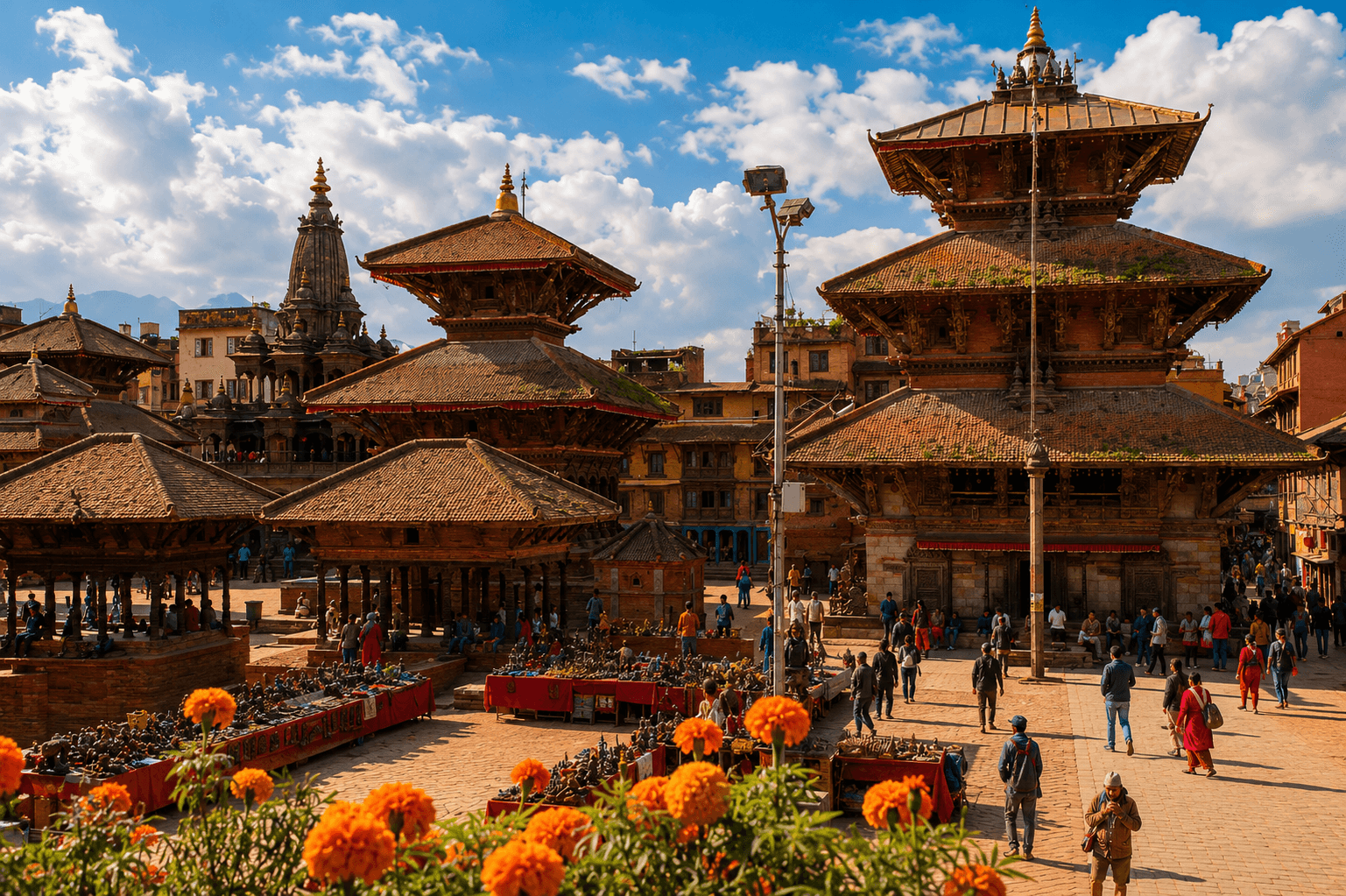
Nearby lies Patan, which is basically the “City of Fine Arts.” Its Krishna Mandir, palace museums, and also bronze craftsmanship tell stories of devotion through detail, and on the other hand Bhaktapur completes the triad of valley kingdoms. Walking through Bhaktapur Durbar Square is to step into another time, where basically you see pottery wheels spinning in the courtyards, intricately carved windows, and also the mighty Nyatapola Temple rising skyward. Each of these heritage towns carries a rhythm of life where festivals, rituals, and art all remain inseparable from the daily existence.
For travelers who want to live history without giving up on the comfort, then for them heritage hotels like The Dwarika’s offer the perfect blend. With carved wooden columns, antique décor, and also the suites which are designed around Newar traditions, they provide not just accommodation but immersion, which is basically an intimate way to experience Kathmandu Valley’s layered heritage from within its architecture itself.
This is what makes Nepal’s cultural immersion different: it is not curated for tourists, but it is lived by the locals. And as a visitor, you’re invited not into a performance, rather into a centuries-old way of life that continues to flourish today.
Wilderness Encounters
For all its mountain drama, Nepal’s heart beats just as strongly in its jungles. The Chitwan National Park, a UNESCO World Heritage Site, offers a very different face of the country - one of tall grasslands, sal forests, and meandering rivers alive with wildlife.
A Chitwan jungle safari is nothing short of extraordinary. In the open jeeps, the canoes, or even on the guided walks, you may spot the park’s most celebrated residents: which are basically the endangered one-horned rhinoceros, the elephants moving in herds, the gharial crocodiles sunning by the riverbanks, and, with rare luck, the elusive Bengal tiger. The symphony of bird calls, basically over 500 species are found here, which adds yet another dimension to the experience.
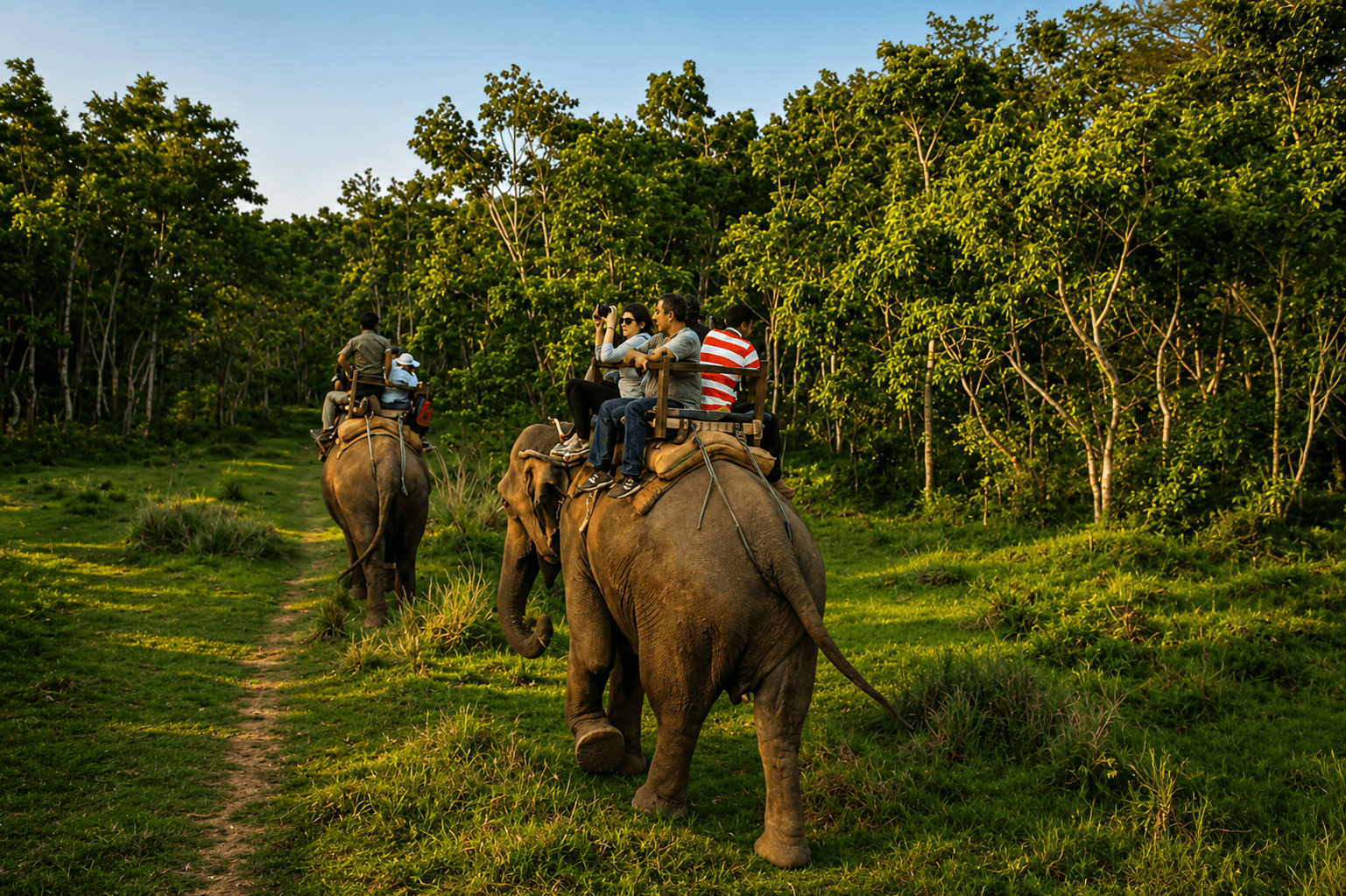
But wilderness in Nepal isn’t just about what you see, to be honest it’s about how you stay. Luxury lodges like Taj Meghauli Serai reimagine your safari hospitality. Private decks that look out onto the Rapti River, along with the gourmet dining which draws from local flavors, and also the curated jungle excursions which combine raw nature with refined comfort. Evenings often end up under a starlit sky, with the sounds of the forest reminding you that you are deep within one of Asia's richest ecosystems.
Adding depth to the experience is a visit to the Tharu village, where basically the indigenous community shares their traditions, their stilted houses, and also their folk performances. It’s not staged tourism; rather it is a living culture that continues to coexist with the wild, which offers travelers a glimpse into the harmony between both people and nature.
Here, in the lowlands of Nepal, luxury basically means more than just indulgence. It is the privilege of being immersed in the untamed, while at the same time knowing that every detail of comfort and care has already been thought through.
needed, and human-first so it flows naturally.
Wellness & Spiritual Journeys
In Nepal, wellness is not something added to a trip - it’s part of the air, the rhythm, and the silence of the landscapes themselves. For travelers who seek more than just sightseeing, for them the country offers ways to reconnect with both the body and spirit.
Meditation and mindfulness experiences basically begin in monasteries which still practice centuries-old traditions. Guests can take part in the guided sessions with monks, and at the same time learn simple practices that may bring calm and clarity. And for those who are looking for a deeper immersion, retreats in the foothills offer multi-day programs that combine stillness with the sound of prayer flags fluttering in the wind.

Luxury travelers also find comfort in Nepal’s spa culture, where basically Himalayan-inspired treatments meet the modern design. The hot stone baths, the herbal therapies, and also the yoga sessions which are framed by mountain views create moments of complete renewal. Properties like Six Senses or wellness-focused lodges (e.g., The Pavilions Himalayas, Jungle Mahal, Meraki Holistic Retreat) are basically shaping a new chapter of hospitality here, where sustainability and serenity go hand in hand together.
Even simple experiences become restorative: like sipping herbal tea after a morning walk, watching the play of clouds over the Annapurnas, or even pausing in a quiet courtyard while the world hums around you. Wellness in Nepal is less about retreating from life and more about finding the balance within it.
Navigating Nepal: The Luxury Traveler’s Edge
Luxury in Nepal isn’t just about where you stay - it’s about how seamlessly you move through a country that can often be unpredictable. Behind the serene landscapes and spiritual rhythm lie basically the logistics that require precision.
Weather and logistics
Domestic flights to places like Pokhara or Bharatpur are famously weather-dependent, and also the mountain conditions can change in minutes. Without proper planning, your delays may ripple through an itinerary. Now for a luxury traveler, the difference lies in having set the alternatives like helicopter transfers, flexible scheduling, and also the expert handling of the inevitable.
Permits and access
Whether it’s a trekking permit for Everest Base Camp or the access to the heritage sites and national parks, paperwork is very important when planning your Nepal trip. A well-connected partner ensures these are secured ahead of time, leaving you with no room for last-minute surprises.
Cultural nuances
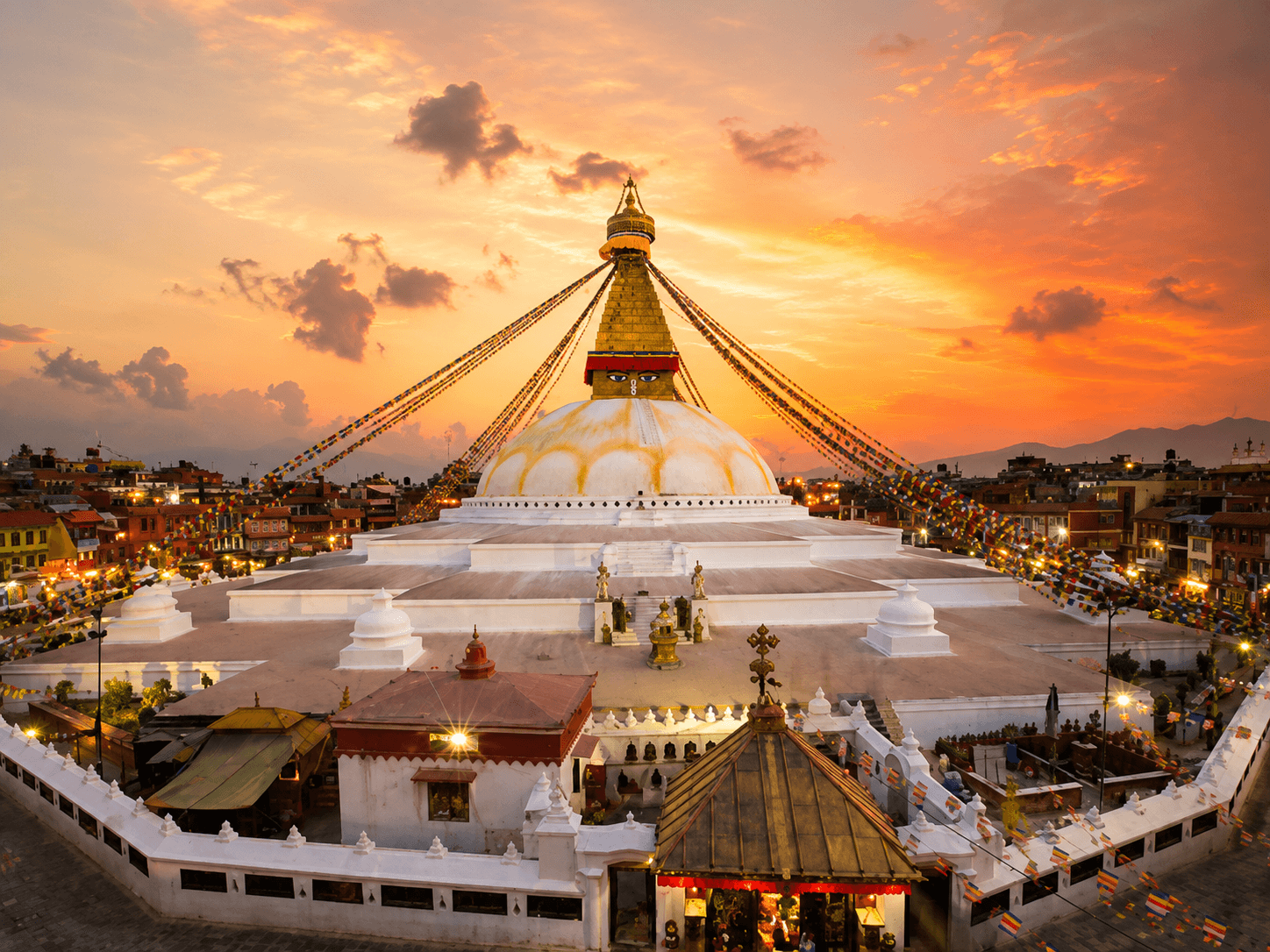
Nepal rewards travelers who respect its traditions. Temples require modest attire, and shoes to come off before entering the shrines, and also walking clockwise around stupas is a small gesture of respect that goes a long way. These details may feel subtle, but to be honest they transform how locals welcome you.
Planning a Luxury Trip to Nepal: What Every Traveler Should Know
A luxury journey through Nepal is defined not only by where you go, but by how effortlessly the experience unfolds. From Himalayan mountain regions and UNESCO World Heritage Sites to wildlife reserves and remote wellness retreats, traveling across Nepal requires thoughtful planning to ensure every experience is seamless, comfortable, and personalized.
Choose the Right Season
Nepal is a year-round destination, but the best time for luxury travel is typically March to May and September to November. During these months, travelers enjoy clear mountain views, pleasant temperatures, excellent wildlife viewing in Chitwan National Park, and ideal conditions for cultural exploration, scenic helicopter flights, and luxury trekking experiences.
Winter (December to February) offers quieter destinations, crisp Himalayan panoramas, and exclusive experiences with fewer visitors, while the monsoon season (June to August) transforms the country's landscapes into lush greenery, making it well suited for wellness retreats and cultural journeys despite occasional rainfall.
Navigating Nepal with Ease
Although Nepal's domestic flight network connects major destinations such as Kathmandu, Pokhara, and Bharatpur, weather conditions—particularly in the Himalayan regions—can occasionally affect schedules. Luxury itineraries are designed with flexibility in mind, incorporating carefully planned alternatives where appropriate to help travelers make the most of their journey.
For destinations in remote mountain regions, private helicopter transfers can also provide efficient access while offering spectacular aerial views of the Himalayas.
Respecting Local Culture
Nepal's greatest luxury is its living heritage. Whether visiting ancient temples in Kathmandu Valley, Buddhist monasteries, or traditional villages, understanding local customs enhances the travel experience. Dressing modestly at religious sites, removing footwear before entering sacred spaces, and following local etiquette allow travelers to engage respectfully with Nepal's rich cultural traditions while fostering meaningful connections with local communities.
Why Local Expertise Matters
Creating a seamless luxury journey through Nepal involves more than booking premium hotels. It requires in-depth destination knowledge, carefully coordinated logistics, experienced local guides, and thoughtfully curated experiences that reflect each traveler's interests.
Working with an experienced destination management company ensures every detail—from accommodation and transportation to permits, cultural experiences, and exclusive access—is managed with precision, allowing travelers to fully immerse themselves in Nepal's landscapes, heritage, and hospitality.
Nepal Rising on the Global Luxury Map
Luxury travel is evolving. Today's discerning travelers are increasingly seeking destinations that combine exclusivity with authenticity, where meaningful experiences take precedence over traditional notions of luxury. Nepal is well positioned to meet that demand.
While the country has long attracted trekkers and mountaineers, it is now drawing a new generation of travelers looking for curated Himalayan experiences, heritage-led stays, wellness retreats, and conservation-focused wildlife journeys. Rather than simply visiting iconic landmarks, travelers can enjoy private helicopter excursions to the Everest region, stay in restored heritage properties within the Kathmandu Valley, or experience Chitwan National Park through expertly guided safaris and boutique riverside lodges.
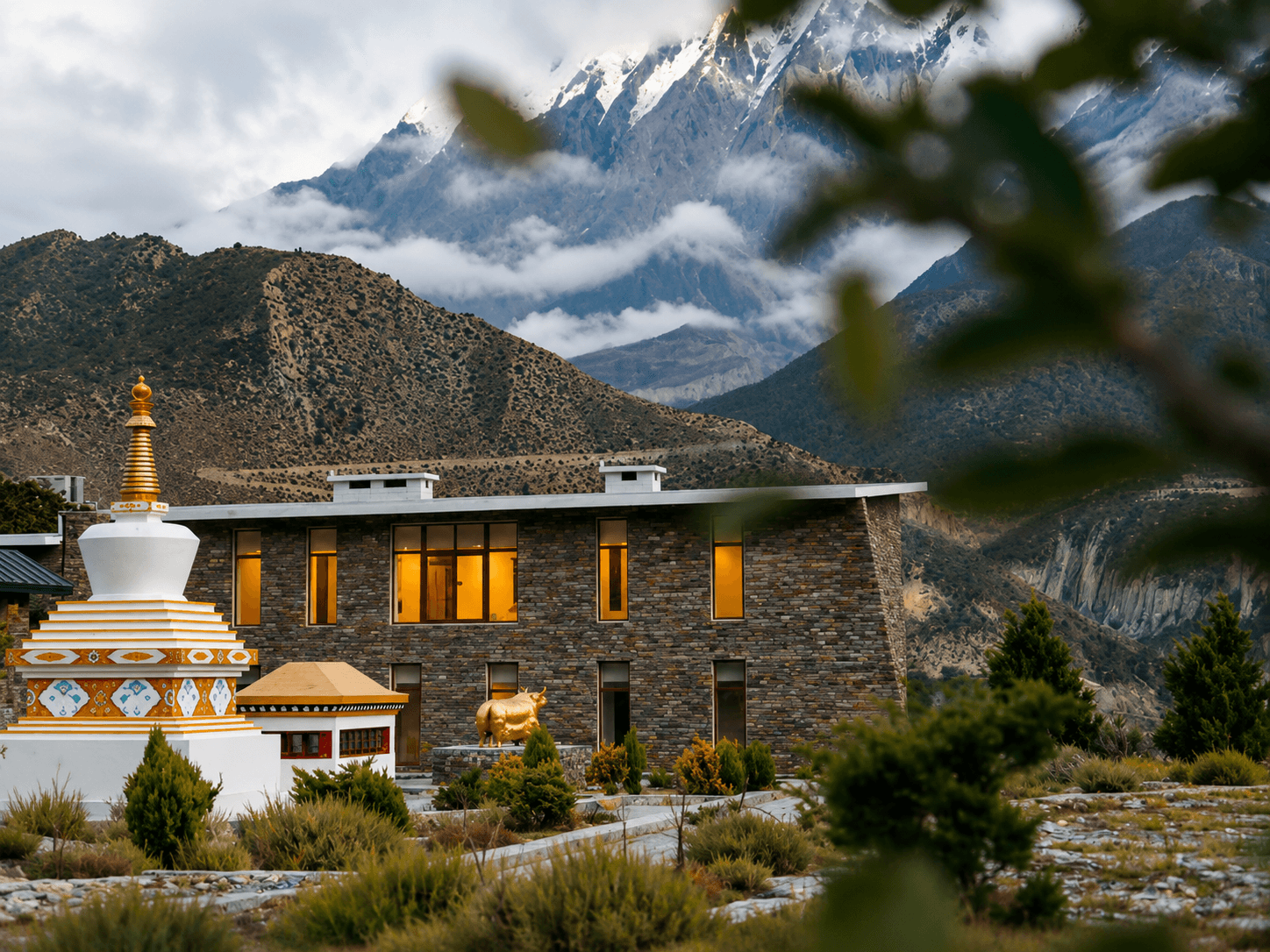
Nepal's luxury offering is distinguished by its diversity. Within a single itinerary, guests can explore UNESCO World Heritage Sites, discover living Newar traditions, unwind in mountain wellness retreats, and encounter rare wildlife in one of South Asia's most celebrated national parks. This seamless blend of culture, nature, and personalized experiences reflects the growing demand for slower, experience-led travel.
For travel advisors, Nepal also presents an opportunity to design journeys that go beyond conventional luxury. Flexible itineraries, private guiding, exclusive access, and destination expertise allow each experience to be tailored to individual interests, whether the focus is adventure, wellness, culture, or wildlife.
As luxury travel continues to prioritize authenticity, sustainability, and personalization, Nepal stands out as one of Asia's most rewarding destinations—not because it follows luxury trends, but because it offers experiences that remain genuine, immersive, and difficult to replicate elsewhere.
Frequently Asked Questions
1. Is Nepal a good destination for luxury travel?
Yes. Nepal has emerged as one of South Asia's leading luxury travel destinations, offering experiences that combine Himalayan landscapes, UNESCO World Heritage Sites, boutique heritage hotels, exclusive wildlife safaris, and wellness retreats. Rather than focusing solely on luxury accommodation, Nepal delivers personalized journeys centered on authentic cultural experiences, private access, and exceptional natural beauty.
2. When is the best time to visit Nepal for a luxury holiday?
The best time to visit Nepal is during spring (March to May) and autumn (September to November). These seasons typically offer clear mountain views, comfortable temperatures, and ideal conditions for helicopter tours, cultural sightseeing, wildlife safaris in Chitwan National Park, and luxury trekking experiences. Winter is also an excellent option for travelers seeking quieter destinations and spectacular Himalayan vistas.
3. What are the must-have luxury experiences in Nepal?
Nepal offers a diverse range of premium experiences, including scenic Everest helicopter tours, heritage stays in Kathmandu, luxury wildlife safaris in Chitwan National Park, wellness retreats overlooking the Himalayas, private guided tours of UNESCO World Heritage Sites, and boutique stays in Pokhara with panoramic views of the Annapurna range. These experiences can be tailored into bespoke itineraries based on individual interests and travel styles.
4. How many days are ideal for a luxury trip to Nepal?
A 7 to 10-day itinerary is ideal for experiencing Nepal's diverse landscapes and cultural heritage at a comfortable pace. This allows time to explore Kathmandu Valley, unwind in Pokhara, enjoy a luxury safari in Chitwan National Park, and experience the Himalayas through scenic flights, wellness retreats, or curated mountain excursions without rushing between destinations.
5. Why should I book my Nepal journey with a Destination Management Company (DMC)?
Planning a luxury journey through Nepal requires local expertise, especially when coordinating domestic travel, exclusive experiences, permits, and premium accommodations. An experienced Destination Management Company (DMC) provides end-to-end itinerary planning, trusted local partnerships, and personalized support, ensuring every aspect of the journey is seamless, authentic, and tailored to the traveler's preferences.
Closing Takeaways
Nepal is not a destination you simply just pass through, rather it’s a place that stays with you. The rhythm of prayer wheels in Kathmandu, the mirror-like calm of Phewa Lake in Pokhara, the raw energy of Chitwan’s jungles, and the quiet grandeur of the Himalayas all weave together into something larger than to the total sum of its parts.
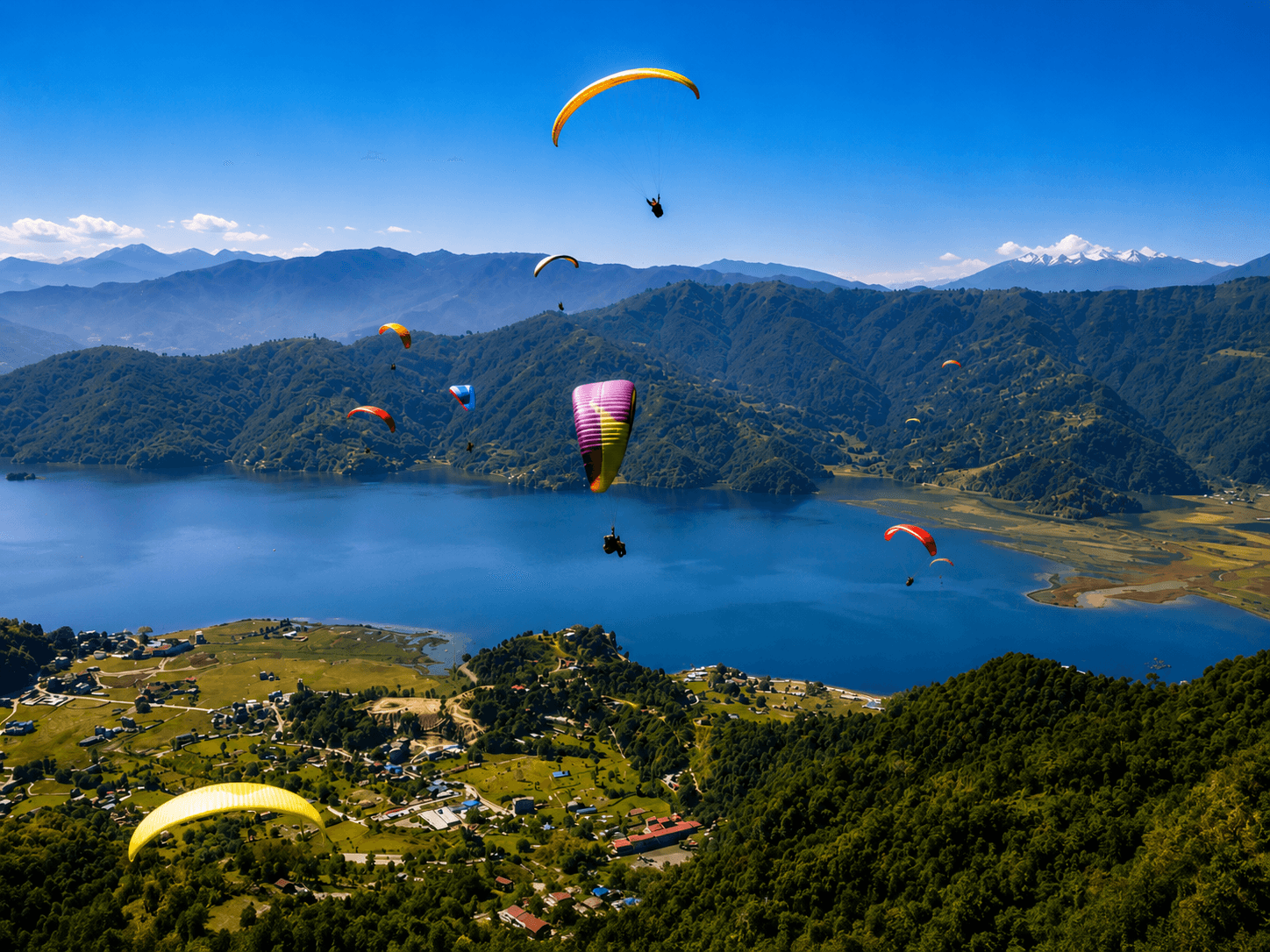
For luxury travelers, what makes Nepal remarkable isn’t just its diversity, but actually how effortlessly those contrasts can even come together when the journey is crafted with care. A helicopter flight over Everest in the morning, a private meditation session in the afternoon, and an evening safari under starlit skies, these aren’t basically just the highlights on an itinerary, rather they’re the chapters of a story you’ll carry home.
For those seeking journeys that are seamless, immersive, and also unforgettable, Nepal isn’t just the Gateway to the Himalayas, rather it is the gateway to discovering something new within yourself.
Also Read: Beyond Kathmandu: Nepal's Himalayan Valleys Define Luxury Travel's Next Chapter