
Tucked between towering Himalayan peaks, this small kingdom has not only built its reputation on the number of tourists it receives each year, but also on how carefully it chooses them.
Exclusivity here isn’t a marketing prompt, it’s the very basic foundation of the country’s tourism model. Bhutan follows a high-value, low-volume approach, where every visitor contributes directly to preserving the environment and culture. It remains the only carbon-negative nation on the planet earth, absorbing more CO2 than it emits, making each journey part of a larger story of sustainability.
For travelers planning a week here, the difference between a simple trip and a transformative journey often comes down to planning. Bhutan’s landscapes, monasteries, and cultural rhythms aren’t always easy to access without the right support. This is where a trusted Destination Management Company (DMC) becomes essential. We, at IndiHorizons, ensure that your seven days will flow seamlessly, with the comfort, privacy, and exclusivity that define your true luxury travel.
Day 1 - Arrival in Paro & Transfer to Thimphu
Landing in Paro is an experience in itself, It's quite a first impression. Only a few flights in the world match the drama of descending through the Himalayas into a valley framed by forested slopes and traditional Bhutanese houses. On arrival, you are greeted with a warm smile and the ceremonial tashi khaddar, a white scarf symbolizing purity and good fortune.

The journey to Thimphu, Bhutan’s capital, seems to unfold as an introduction to the country’s soul. Along the way, when you pause at Tachog Lhakhang, which is basically a 14th-century temple which was built by the legendary iron bridge builder Thangtong Gyalpo. The suspension bridge nearby, which was reconstructed with iron chains, sways gently above the river. It gives a reminder of Bhutan’s blend of engineering ingenuity and spiritual devotion, together at the same time.
This is where Bhutan slows you down.
By afternoon, when you reach the Memorial Chorten, which is one of Thimphu’s most striking landmarks, which was built in the memory of the third king. It is a place where locals gather daily to spin prayer wheels and to offer butter lamps. As the sun sets, your first evening ends at Tashichho Dzong, which is a grand fortress-monastery that houses both monks and government offices. Its illuminated courtyards and towering white walls which are set against the twilight sky provide a picture perfect welcome to Bhutan.
Stay: Pemako Thimphu, a place where contemporary comfort meets Bhutanese design.
Day 2 - Exploring Thimphu
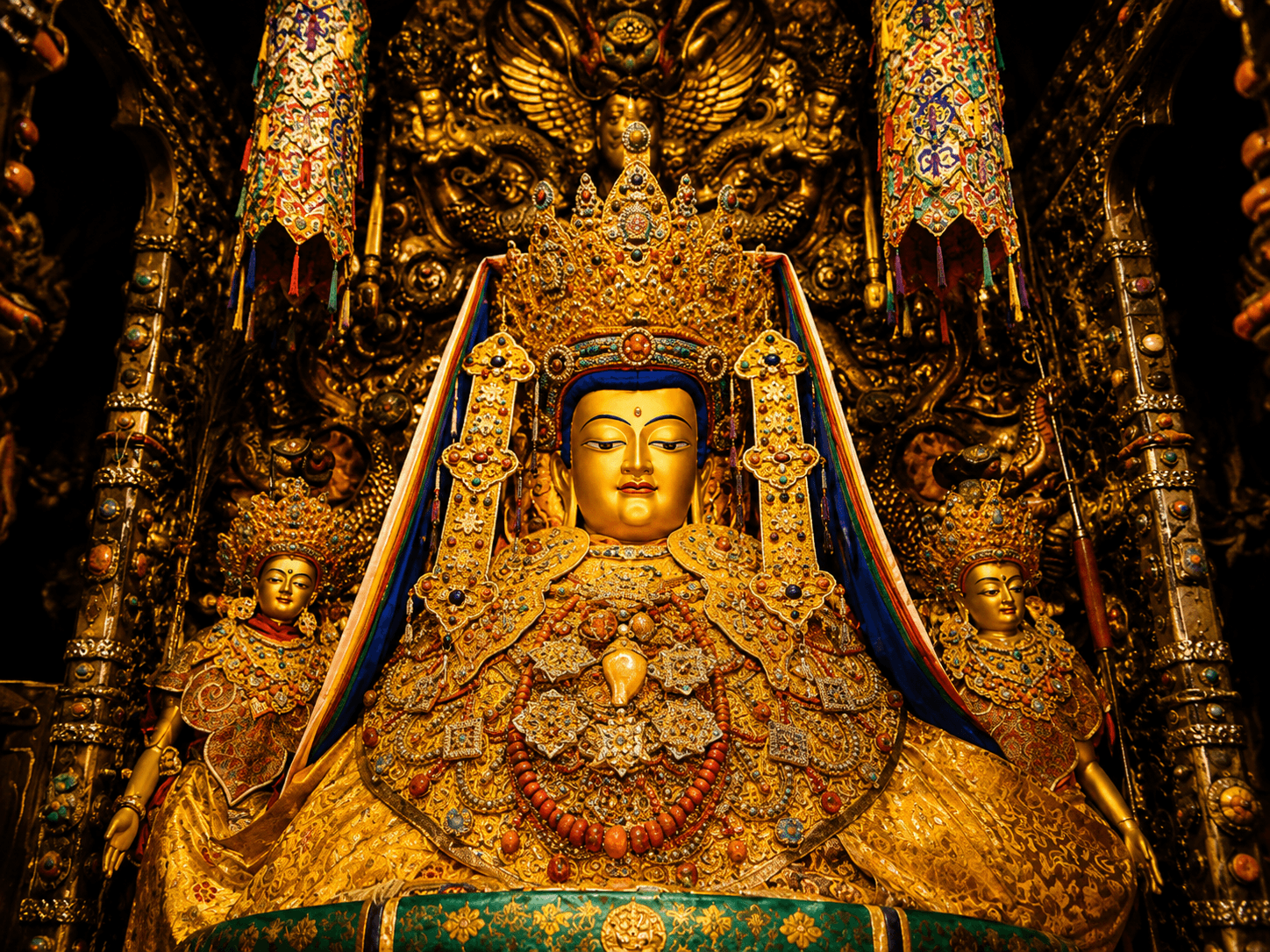
Your first full morning in Bhutan begins with the Buddha Dordenma, which is basically a 51.5-meter gilded statue that gazes serenely over Thimphu Valley. It houses more than 125,000 smaller Buddha figures inside of it. It also radiates a sense of calmness in the air that sets the tone for the day.
From here, a leisurely hike winds its way through pine and rhododendron forests; you may see prayer flags fluttering along the trail, until you reach Changangkha Lhakhang. It was founded in the 12th century, this hilltop temple is basically beloved by the families who come seeking a blessing for their children.
Before lunch, when you stop at the Takin Preserve, where Bhutan’s national animal, which is basically a curious blend of goat and antelope - grazes in its natural habitat. It’s a living reminder of the country’s myth and magic both together. It is also said to have been created by the great saint Drukpa Kunley.
The afternoon generally offers you a glimpse into Bhutan’s artistry at the Textile Museum, where we see intricate weaves and patterns which tell stories passed down through generations. Then, a quiet visit to the Zilukha Nunnery, which is basically a home to around 60 nuns. It adds to a contemplative pause to the journey.
As the day winds down, stroll through Ka Ja Throm, which is basically Thimphu’s bustling farmer’s market. Here, you can browse for local crafts, also check out their sample seasonal produce, and at the same time enjoy the lively atmosphere that blends tradition with modern lifestyle.
Stay: Pemako Thimphu or similar.
Day 3 - Thimphu to Punakha
The road from Thimphu to Punakha is one of Bhutan's most scenic drives, which climbs through the forests of hemlock and rhododendron before opening up at the Dochula Pass. Many travelers end up staying longer. Here, 108 white chortens stand in harmony against a backdrop of Himalayan peaks. It is basically a place where travelers pause not just for photos, but to actually take in the sense of peace which the mountains inspire.
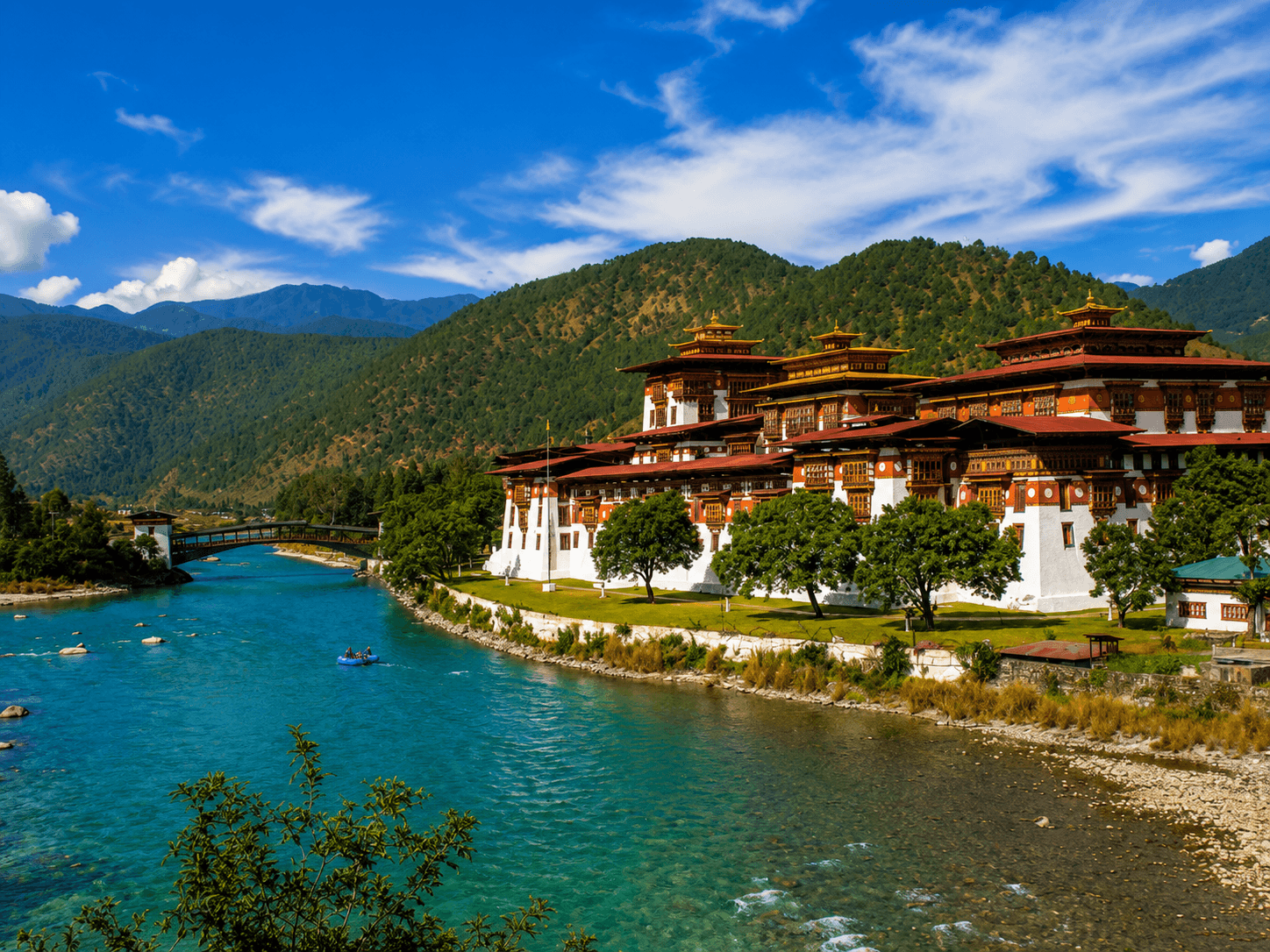
Descending into the warmer Punakha Valley, when you arrive at Punakha Dzong. This is classic Bhutan. It is perhaps the most picturesque of Bhutan’s fortress-monasteries. It is built at the confluence of the Pho Chhu and Mo Chhu rivers, its whitewashed walls along with the gilded spires, and also the wooden bridges create a postcard-perfect scene. It was once the capital of Bhutan, but it still remains a symbol of spiritual and political heritage.
Nearby, the Punakha Suspension Bridge stretches across the river. Its length is adorned with countless prayer flags swaying in the wind. Crossing it gives you both experiences of thrill and a chance to see the valley from a different perspective together.
The day ends with a visit to Chimi Lhakhang, which is basically a small but significant temple which is dedicated to Drukpa Kunley. It is also known as the “Divine Madman.” It is famous for its fertility blessings, and it draws couples from around the world who seek its unique spiritual energy.
Stay: COMO Uma Punakha or similar, which is a retreat nestled in the valley. It offers contemporary luxury with panoramic views of terraced fields and river bends together at the same time.
Day 4 - Punakha Exploration
Your morning begins with a hike through terraced rice fields and gentle slopes which leads to the Khamsum Yuelley Namgyal Chorten. It was built by the Queen Mother. This striking four-storey temple is one of the most rare examples of Bhutanese architecture designed entirely from the tantric texts. The view from its hilltop perch sweeps across the Punakha Valley, giving a picture perfect start to the day.
A picnic lunch by the riverside follows, it lets you pause and take in Bhutan’s landscape at its most serene. It is surrounded by the sound of the flowing water and prayer flags fluttering in the breeze, it’s a moment where simplicity feels like a total package of luxury.
In the afternoon, you step into history at Wangdue Phodrang Dzong. It originally was built in 1638. This fortress sits dramatically on a ridge which is between two rivers. Although it got damaged by a fire in 2012, it still has been meticulously restored to its former glory, and now works to blend heritage with resilience.
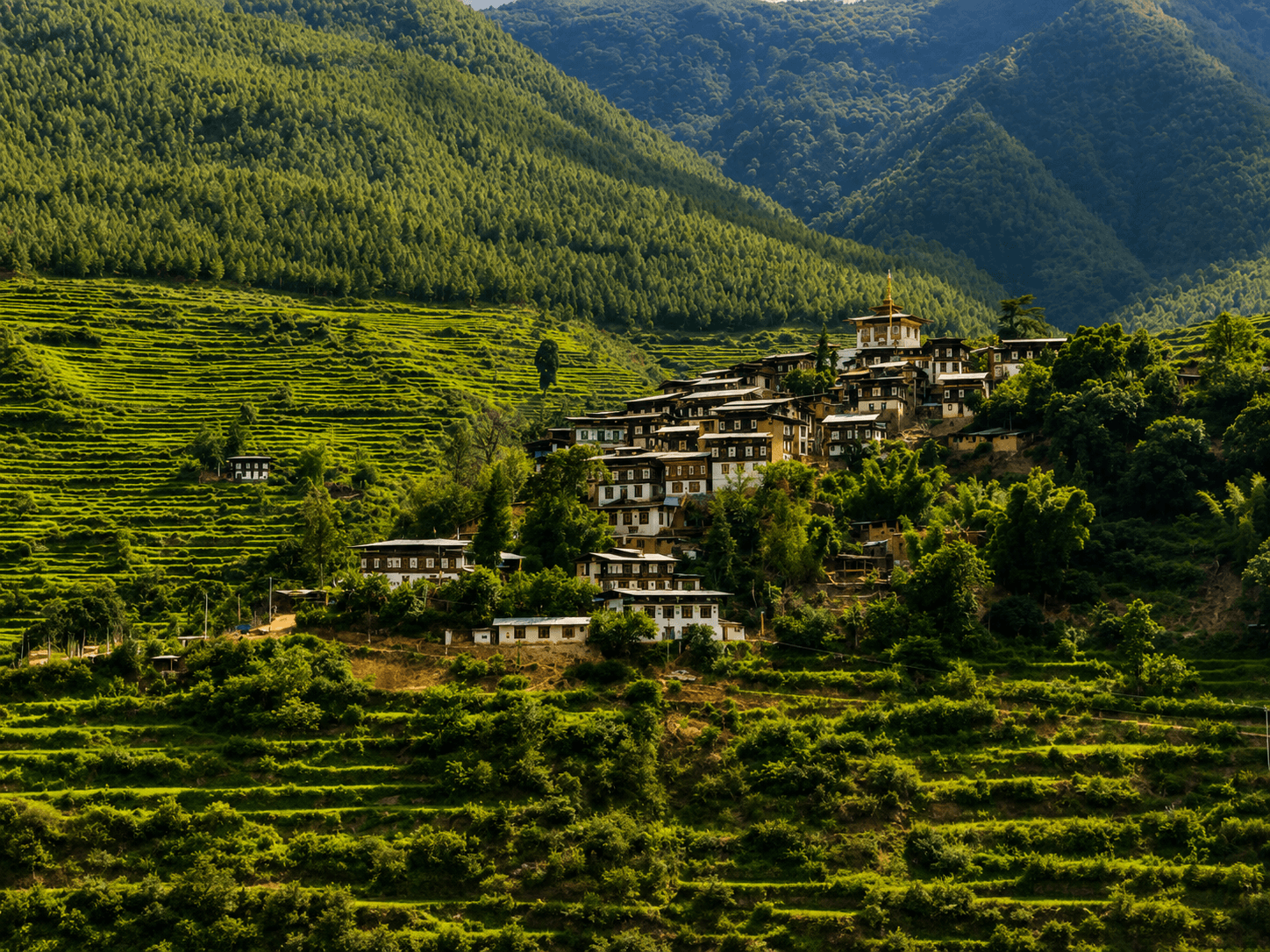
The day ends with a walk through Rinchengang Village, which is basically a traditional settlement known for its clustered stone houses and artisanal masonry skills. Here, daily life carries on much as it has for centuries, it offers a candid glimpse into Bhutan’s rural traditions.
Stay: COMO Uma Punakha or similar.
Day 5 - Punakha to Paro
After breakfast, you leave Punakha behind and take the scenic drive back to Paro. The journey itself is part of the experience, the pine-clad hills along with the terraced fields, and also the winding valleys unfolding along the way until you re-enter the calm rhythm of Paro Valley.
Your first stop is Ta Dzong, which is basically a 17th-century watchtower that now houses Bhutan’s National Museum. Inside of it you may find a rich collection of thangkas, textiles, weapons, and household artifacts. Each narrating a piece of Bhutan’s story across centuries.
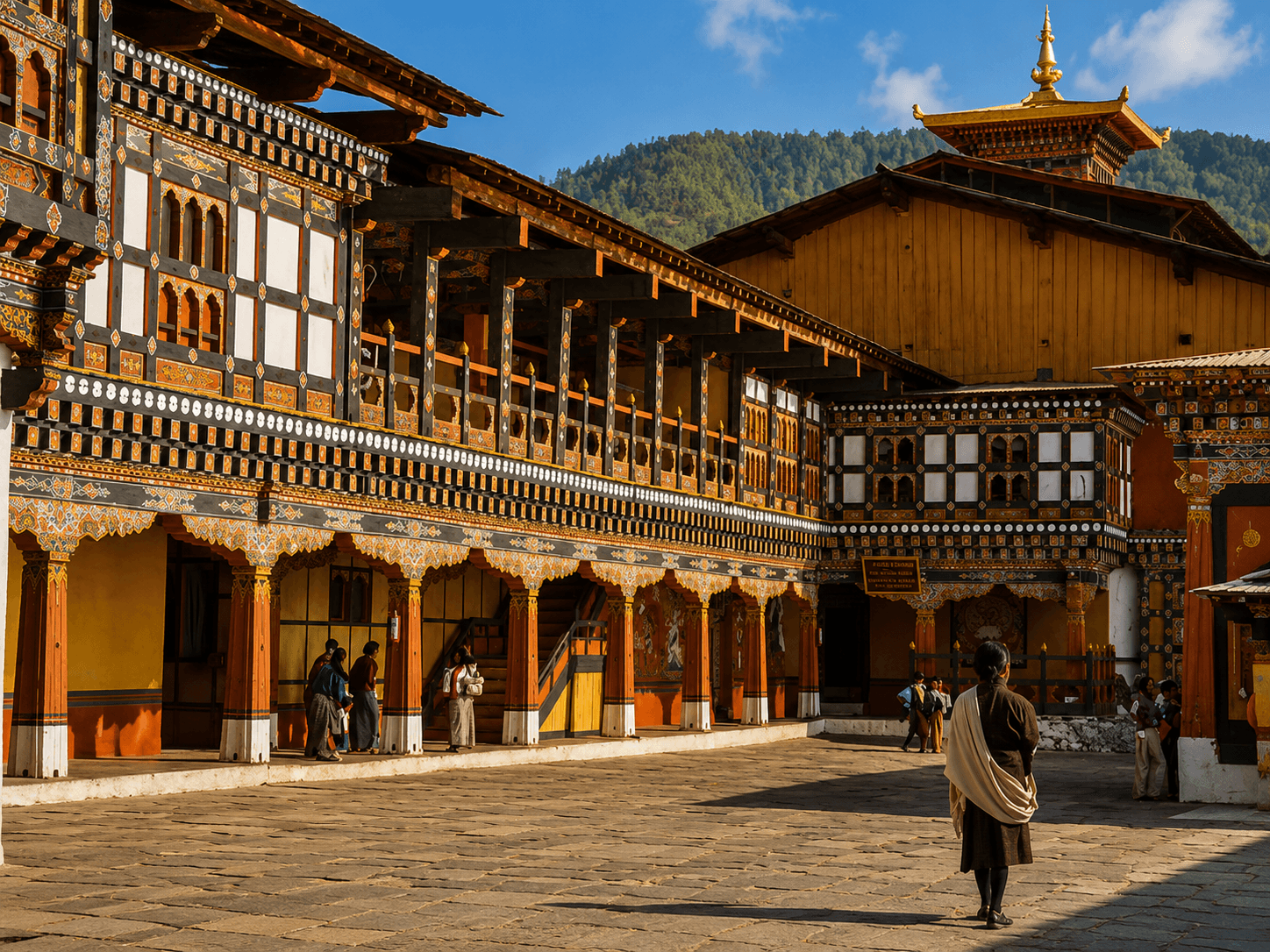
Just a short walk downhill brings you to Rinpung Dzong, which is known as the “Fortress of the Heap of Jewels.” Its massive walls, painted courtyards, and exquisite murals tell Buddhist stories. Those are from the tale of the Four Friends to depictions of the Wheel of Life. Standing here, you will get a sense of why dzongs remain central to Bhutanese identity.
Later, when you step into a traditional Bhutanese farmhouse, warm hospitality greets you with authentic local food and rustic charm. It’s an intimate look into daily life, which covers cooking methods, farming traditions, and also a countryside pace that feels worlds away from the city.
To round out the day, you try your hand at archery, which is also Bhutan’s national sport. Using a traditional bamboo bow, you’ll get to discover why this game is as much about camaraderie and celebration as it is about skill.
Stay: COMO Uma Paro or similar.
Day 6 - Paro: The Iconic Tiger’s Nest
This is the day which many of the travelers remember for a lifetime. The hike to Taktsang Monastery, which is also better known as the Tiger’s Nest. It is perched dramatically on a cliffside, which is nearly 900 meters above Paro Valley, the monastery looks almost impossible to reach. According to legend, Guru Rinpoche arrived here in the 8th century on the back of a tigress and meditated in a cave that still exists within the complex. The trek, it's about five hours round-trip, and it is as rewarding as the destination itself: you’ll get to see pine forests alive with fluttering prayer flags, viewpoints opening to the valley below, and finally, the breathtaking sight of the monastery which clings to the rock face.
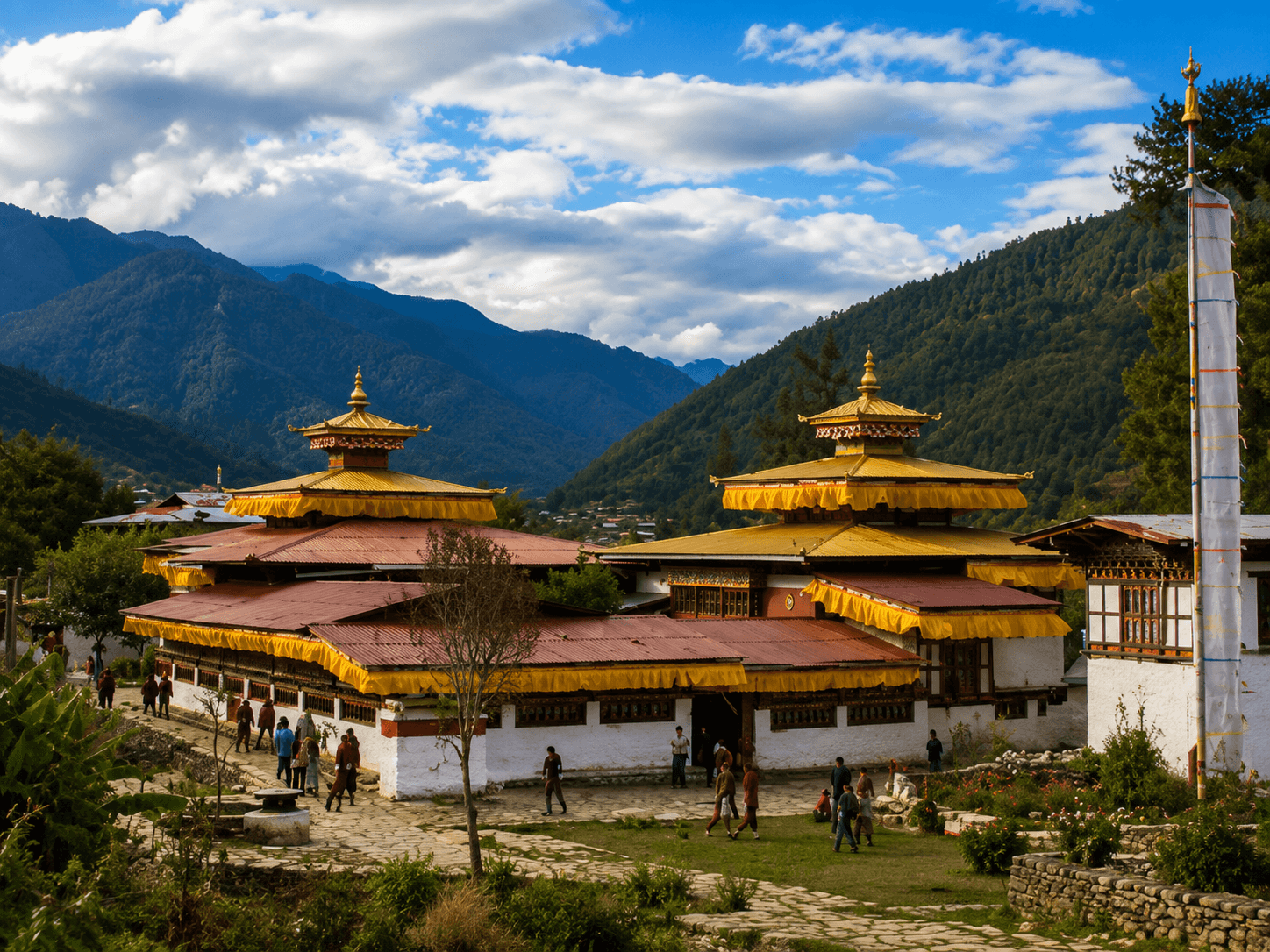
In the afternoon, you visit Kyichu Lhakhang, which is basically a 7th-century temple that is among Bhutan's oldest and most sacred. It is built to subdue a demoness blocking the spread of Buddhism. It still remains as an active place of worship today. Its courtyard feels timeless, and with elderly pilgrims circumnavigating the temple along with the orange trees that bear fruit year-round. It's a quiet miracle locals still speak of with reverence.
If time allows, you should try to spend the evening wandering through Paro’s town center, browsing its small shops and local market, before returning to your lodge.
Stay: COMO Uma Paro or similar.
Day 7 - Departure from Paro
Your final morning in Bhutan begins unhurried, along with time to take in one last view of the mountains from your lodge. After breakfast, you are privately transferred to Paro International Airport for your onward flight.
As you leave, the valleys, fluttering prayer flags, and the stillness of Bhutan linger in memory, which basically reminds that this is more than just a destination. It’s a country that touches you quietly, yet deeply, and leaves you carrying a piece of its spirit long after you’ve departed.
Why a DMC Matters in Bhutan
Traveling in Bhutan isn’t like visiting most of the other destinations. Independent travel is not permitted, permits are required for specific regions. The systems are designed to protect Bhutan’s environment and culture, but at the same time they also mean that logistics can be complex if you’re not familiar with how the country works.
Infrastructure is intentionally limited to maintain exclusivity, and the best experiences, whether it’s access to world-class lodges, private guides, or festival seating , all of these often require local connections and careful planning. This is where the role of a Destination Management Company (DMC) becomes essential.
A trusted DMC ensures you that:
All permits, visas, and SDF requirements are handled seamlessly for you.
Itineraries balance iconic highlights with hidden gems, avoiding overcrowding conditions for you.
Accommodation and transfers are secured at the highest standard of comfort for you.
Exclusive, culturally immersive experiences are woven into your journey throughout the trip to make it an amazing one.
At IndiHorizons, we blend deep local expertise with a luxury-first service. We always ensure that every Bhutan journey is effortless, enriching, and extraordinary.
Practical Tips for Luxury Travelers
Planning a journey to Bhutan is as much about knowing the rules and regulations as it is about understanding their culture. Here are a few practical tips which will help you ensure the trip feels seamless from the start to the finish.
When to Visit
Spring (March–May): Mild weather, blooming valleys, and festivals like Paro Tsechu.
Autumn (September–November): Crisp skies, the most ideal trekking conditions, and vibrant cultural events.
Winter (December–February): Quieter months basically with sunny days in the valleys and rare black-necked crane sightings in Phobjikha.
Summer (June–August): Lush greenery during the monsoon, which is suited to travelers seeking solitude.
Entry Rules & Fees
All visitors (except Indian nationals) require a visa which should be arranged in advance.
A Sustainable Development Fee (SDF) applies: USD 100 per night for foreign travelers, INR 1,200 per night for Indian citizens.
Travel must be booked through an approved operator, and guides are required outside Thimphu and Paro.
Cultural & Societal Nuances
Always try to dress respectfully when visiting monasteries or dzongs, basically your shoulders and legs should be covered.
Always remove shoes before entering sacred spaces.
Tap water is not safe to drink; rely on bottled or filtered water.
Public displays of affection are generally frowned upon in Bhutanese culture, so try to restrict yourself from doing so.
Photography is restricted inside temples; it's better to always ask before taking pictures of people.
Bhutanese are generally gentle and respectful with their interactions, trying to mirror this politeness goes a long way.
These small considerations not only keep the journey smooth but also show that you respect Bhutan's culture. It ensures that every encounter feels authentic and meaningful.
Frequently Asked Questions
1. Is 7 days enough for a luxury trip to Bhutan?
Yes. A thoughtfully planned 7-day itinerary allows you to experience Bhutan's most iconic destinations, including Paro, Thimphu, and Punakha, while enjoying luxury accommodations, private guided experiences, cultural landmarks, and the famous Tiger's Nest Monastery. With a balanced pace, seven days provide the perfect blend of sightseeing, relaxation, and authentic cultural immersion.
2. When is the best time to visit Bhutan for a luxury holiday?
The best time to visit Bhutan is during spring (March to May) and autumn (September to November). These seasons offer pleasant temperatures, crystal-clear Himalayan views, vibrant festivals, and ideal conditions for hiking, cultural exploration, and luxury travel. Winter provides quieter experiences with spectacular mountain scenery, while the monsoon season transforms the valleys into lush landscapes for travelers seeking a more peaceful escape.
3. Do I need a visa to travel to Bhutan?
Yes. Most international travelers require a visa before entering Bhutan, while Indian nationals follow a different entry process. Visitors are also required to pay Bhutan's Sustainable Development Fee (SDF), which supports environmental conservation, cultural preservation, and sustainable tourism initiatives. Since entry requirements and fees may change over time, it's always advisable to confirm the latest regulations before planning your journey.
4. Why should I book my Bhutan trip through a Destination Management Company (DMC)?
Bhutan has unique travel regulations, permit requirements, and carefully managed tourism policies. An experienced Destination Management Company (DMC) takes care of visas, permits, accommodation, transportation, licensed guides, and personalized experiences, ensuring a seamless journey from arrival to departure. This allows travelers to focus entirely on Bhutan's landscapes, culture, and spiritual heritage without worrying about the logistics.
5. How do I choose the right Destination Management Company (DMC) for luxury travel in Bhutan?
The right Destination Management Company (DMC) does far more than arrange hotels and transportation. Luxury travel in Bhutan requires deep local expertise, trusted partnerships, and the ability to create personalized journeys that reflect your interests and travel style. When choosing a DMC, look for strong on-ground relationships, experienced destination specialists, transparent communication, seamless permit and visa management, and the flexibility to tailor every aspect of your itinerary.
At IndiHorizons, we believe luxury lies in the details. From securing exceptional accommodations and experienced local guides to curating authentic cultural encounters and exclusive experiences, we design bespoke journeys that showcase Bhutan at its most meaningful. Backed by destination expertise across Bhutan, India, and Nepal, we ensure every journey is effortless, immersive, and thoughtfully crafted.
Closing Takeaways
A week in Bhutan offers more than just a sequence of sights, rather it offers a rhythm, actually a way of being. From dzongs that have stood for centuries to the silence of monasteries perched high on cliffs, and from lush valleys to the warmth of farmhouse kitchens, Bhutan always likes to reveal itself slowly, layer by layer.
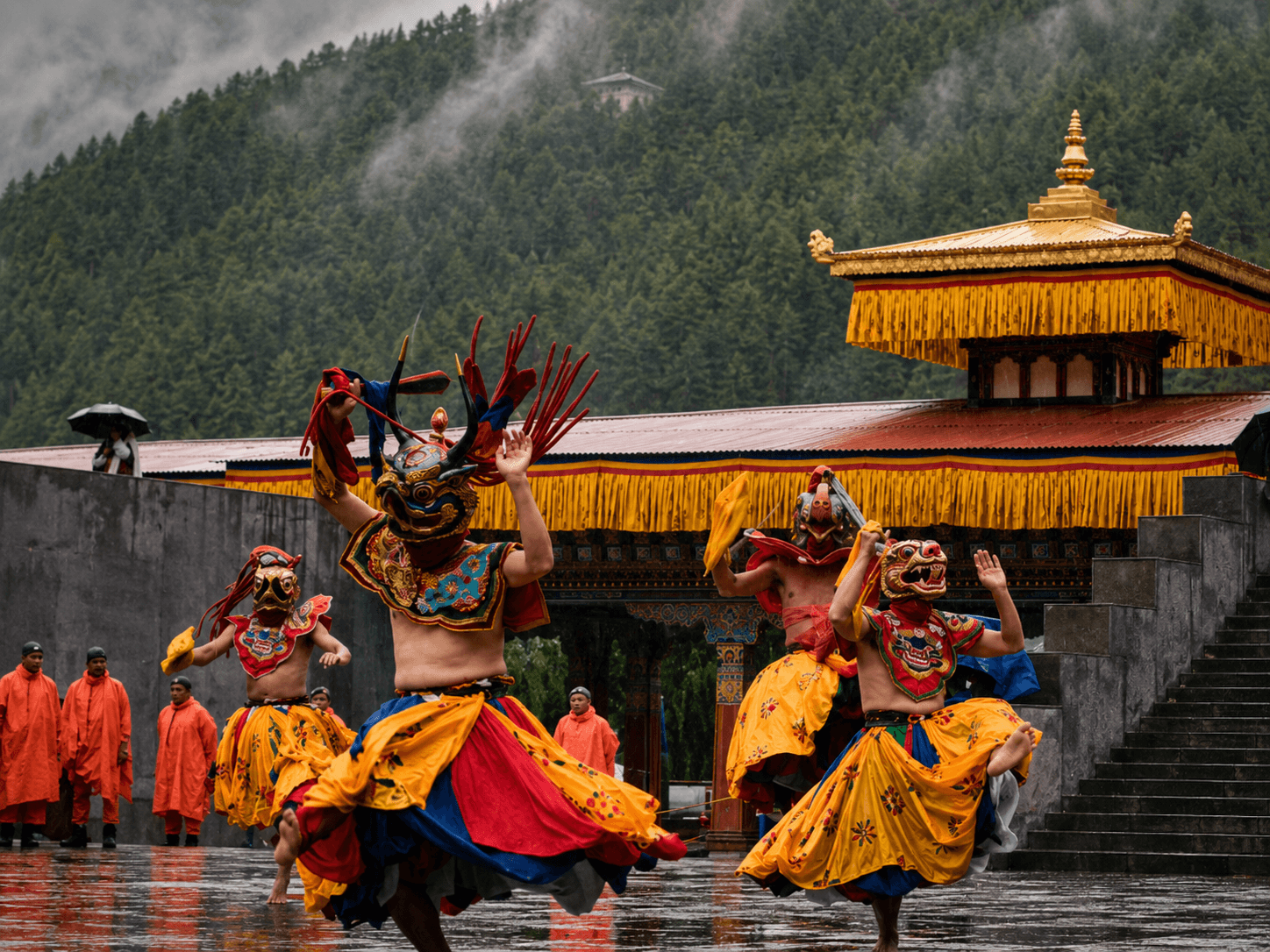
Its appeal lies in duality, which is basically a culture deeply rooted in tradition yet open to modern travelers, and landscapes both dramatic and untouched. This is not a place that overwhelms, rather it’s a place that restores, also it reminds you that luxury isn’t only about what you see, but it's actually about how deeply you experience it.
The difference, as always, is in the details. The right partner ensures that permits, guides, and connections flow seamlessly, leaving you free to immerse in the spirit of the Dragon Kingdom. With careful planning and expert guidance, seven days in Bhutan can feel less like a trip and rather more like a journey into another way of life, basically the one that stays with you long after you’ve returned home.
Also Read: Beyond the Tiger’s Nest: Ultra-Luxury Valley Hopping via Amankora and Six Senses