
India rarely reveals itself all at once.
It arrives in layers: the sound of temple bells before breakfast, the colour of a market street, the quiet of a palace courtyard, the intensity of a city crossing, the scent of cardamom in a kitchen, or the sudden stillness of a Himalayan valley. For a first-time visitor, that richness is part of the appeal—but it can also make India feel like a destination that requires a little more thought than simply booking flights and hotels.
The secret is not to prepare for every possible surprise. It is to understand the practical details that allow you to experience India comfortably and confidently.
From visas and arrival procedures to food, health, money, transport, connectivity, etiquette and safety, this guide brings together the essential knowledge international visitors need before travelling to India. It also explains some of the nuances that become important once you move beyond the standard tourist checklist.
With more than three decades of experience across the Indian subcontinent, IndiHorizons approaches India from the ground up: understanding how destinations connect, how long journeys actually take, which experiences suit different travellers and where thoughtful planning can make the difference between a good itinerary and an exceptional one.
Before You Travel to India
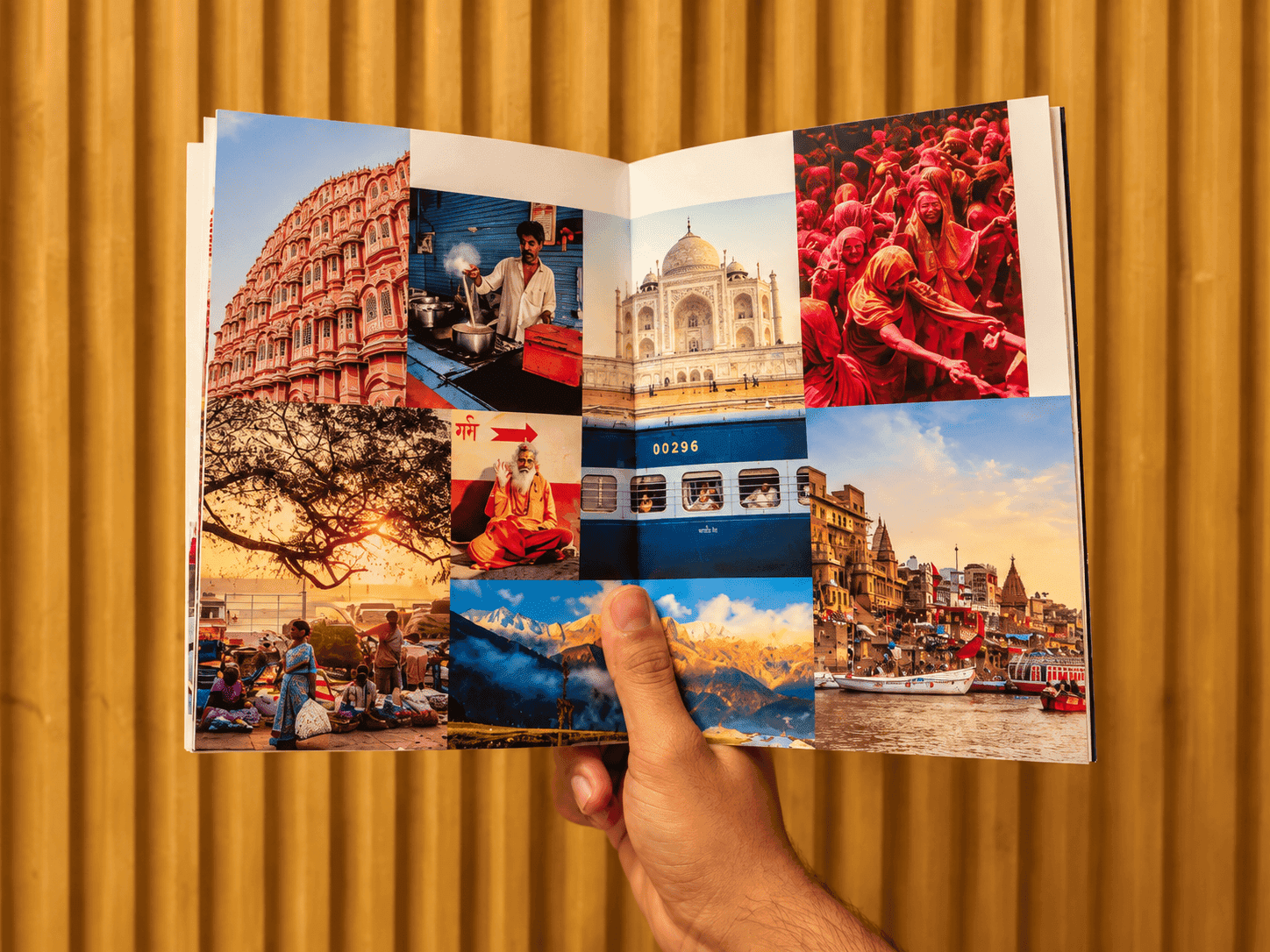
A successful India journey begins well before you board your flight. The country's size, climate and regional diversity mean that preparation should be based on your actual itinerary rather than a generic packing list.
Passport, Visa & Entry Requirements
International visitors should ensure that their passport meets the validity and blank-page requirements applicable to their journey and obtain the appropriate Indian visa or entry authorization before travelling.
Visa requirements vary according to nationality, passport type and purpose of travel. Always verify the current rules through the official India Visa Online portal rather than relying on third-party websites.
Foreign nationals and OCI cardholders must also complete India's e-Arrival Card within 72 hours before arrival. It is an arrival-information requirement, not a visa, and should be completed through the official government channels.
Before departure:
Check passport validity and visa requirements.
Complete the e-Arrival Card within the permitted window.
Keep digital and printed copies of important travel documents.
Check whether your nationality has any additional entry requirements.
Save your accommodation and onward travel details.
Travel Insurance
Comprehensive travel insurance is strongly recommended for international visitors. Look for appropriate medical, emergency assistance, trip interruption and baggage coverage, depending on the nature of your itinerary.
India can involve long road journeys, domestic flights, remote destinations and activities ranging from wildlife safaris to mountain travel. Your insurance should reflect what you are actually planning to do.
Keep your policy number, emergency contact information and insurer details accessible throughout the journey.
What to Pack for India
There is no single India packing list because India does not have a single climate.
A winter morning in Delhi can feel dramatically different from a humid afternoon in Kerala. Rajasthan's dry heat requires a different wardrobe from a Himalayan itinerary, while monsoon travel calls for its own preparation.
Comfortable walking shoes, breathable clothing, sunscreen, sunglasses, personal medication and a universal adapter are useful starting points. For temples, mosques, monasteries and other religious sites, modest clothing that covers shoulders and knees is advisable.
The best packing strategy is to pack for the route, not the country.
Arriving in India
For many visitors, the first few hours in India can be the most stimulating—and the most tiring.
Major international airports are modern and well connected, but immigration, baggage collection, customs and transfers can take time. After a long-haul flight, there is little value in rushing immediately into a packed sightseeing schedule.
Keep your passport, visa, arrival documentation and accommodation details easily accessible until you have cleared immigration and customs.
If your itinerary includes a pre-arranged airport transfer, your local representative or DMC team should already have the arrival details and onward arrangements in place.
Your First 24 Hours
The first day should usually be about orientation rather than achievement.
Hydrate, eat something familiar if necessary, take time to recover from the flight and allow your body to adjust to India's climate and rhythm.
If you have arrived in Delhi, Mumbai or another major city, traffic and the sheer scale of the urban environment can make even a short transfer feel longer than expected.
A well-designed itinerary accounts for this.
A comfortable first day might include:
A relaxed hotel check-in.
Time to rest or freshen up.
A gentle introductory experience.
An early dinner.
A good night's sleep before a full touring day.
The objective is simple: arrive in India without immediately feeling that you have fallen behind your itinerary.
Staying Healthy in India

India is not inherently difficult to travel through, but a change in climate, food, water, altitude and daily routine can affect even experienced travellers.
A few sensible habits go a long way.
Water & Food Hygiene
For drinking, choose sealed bottled water or reliably filtered water. Check that bottled water is properly sealed before opening it.
At restaurants, especially during the first few days, choose food that is freshly prepared and served hot. This does not mean avoiding Indian cuisine; it means allowing your digestive system time to adjust.
Travellers with sensitive stomachs may find it easier to introduce unfamiliar foods gradually rather than trying every regional speciality on their first day.
Heat, Sun & Hydration
India's heat can be underestimated, particularly when sightseeing involves walking outdoors for several hours.
Carry water, use sunscreen, wear suitable clothing and take breaks. If travelling during hotter months, plan major outdoor visits around the cooler parts of the day whenever possible.
For itineraries involving high-altitude destinations, build in appropriate time for acclimatisation.
Medication & Personal Health
Bring sufficient prescription medication for the entire journey and keep essential medication in your hand luggage.
Carry prescriptions or medication details where appropriate, particularly if you use medicines that may require explanation at customs or during medical care.
Before departure, discuss your itinerary with a travel-health professional if you have specific medical requirements.
Mosquitoes & Air Quality
Mosquito exposure varies considerably by region and season. Suitable personal protection can be useful, particularly in tropical, rural and wildlife areas.
Air quality also varies by city and season. Travellers who are sensitive to pollution should check conditions for the destinations on their itinerary and plan accordingly.
Most importantly: if you feel unwell, tell your guide, hotel or travel representative early. Small issues are generally easier to manage when addressed promptly.
Food & Drink in India
Food is one of the most rewarding ways to understand India.
There is no single Indian cuisine. Punjabi cooking is different from Bengali cuisine; Rajasthan has a different culinary tradition from Kerala; Tamil Nadu, Goa, Hyderabad, Kashmir and the Northeast each bring their own ingredients, techniques and food cultures.
For first-time visitors, the goal should not be to avoid unfamiliar food. It should be to explore it intelligently.
Indian cuisine can include dairy, nuts, gluten, sesame and a wide variety of spices. Travellers with allergies or dietary restrictions should communicate them clearly before ordering.
Vegetarian travellers will generally find an enormous range of options, while vegan, gluten-free and other dietary requirements can often be accommodated with advance planning.
A Few Food Principles
Drink sealed bottled or reliably filtered water.
Introduce unfamiliar foods gradually.
Communicate allergies clearly.
Choose freshly prepared food.
Tell your guide or travel representative about dietary requirements before meals.
Be adventurous, but know your own limits.
Street food can be an extraordinary part of the Indian experience, but first-time visitors with sensitive stomachs may prefer to begin with carefully selected establishments and gradually explore local stalls.
The best culinary journeys balance curiosity with context.
Money, Cards, Cash & Digital Payments

India uses the Indian Rupee (₹).
Credit and debit cards are widely accepted at established hotels, restaurants, shops and other major businesses. Cash remains useful for smaller vendors, local markets, tips and situations where card facilities are unavailable.
ATMs are widely available in cities, although travellers should preferably use established bank-operated machines and avoid relying on a single card.
UPI for International Visitors
India's digital payment ecosystem has become an important part of everyday life. International visitors may also be eligible to use UPI One World, a prepaid UPI wallet designed for inbound travellers.
It allows eligible visitors to make merchant payments by scanning participating UPI QR codes. Current arrangements and eligibility can vary, so check the latest information before relying on it as your only payment method. NPCI's current information describes UPI One World as a wallet for inbound international travellers and confirms its use for merchant payments through UPI QR codes.
Useful approach:
Carry some Indian Rupees.
Keep at least one backup card.
Inform your bank that you are travelling internationally.
Keep your banking apps accessible.
Consider UPI One World if eligible.
Do not rely on one payment method.
Tipping in India
Tipping is customary in India's tourism and hospitality sector, although the amount depends on the service and situation.
At restaurants, check whether a service charge has already been added before leaving an additional tip.
For private journeys, a group kitty can simplify gratuities by allowing the tour leader or designated person to coordinate tips for guides, drivers and other service providers.
Getting Around India
One of the most important things to understand about India is that distance does not always equal travel time.
A route that looks short on a map can take considerably longer because of traffic, road conditions, city congestion, terrain or stops along the way.
This is why experienced itinerary planning matters.
Domestic Flights
Flights are often the most efficient option when connecting distant regions such as Delhi and Kerala, Mumbai and Rajasthan, or northern India with the Northeast.
They allow travellers to preserve valuable time for experiences rather than spending entire days on the road.
Private Vehicles
Private vehicles are particularly useful for regional circuits where flexibility matters.
They allow for stops, changes in pace and access to smaller destinations that are not easily reached by air.
For luxury travel, the quality of the vehicle, chauffeur and routing can significantly influence the overall experience.
Trains
India's rail network offers an entirely different way to experience the country.
Some train journeys are practical alternatives to flying, while others are experiences in their own right. For bookings and railway information, refer to IRCTC, the official railway booking platform.
Getting Around Cities

For independent movement in major cities, ride-hailing platforms such as Uber and Ola can be useful where available. Google Maps is helpful for navigation and approximate journey times.
When using app-based transport, confirm the vehicle, fare and payment details before beginning the journey.
Remember: a beautifully designed itinerary leaves enough room for India's roads.
Staying Connected in India
Connectivity is generally straightforward in India's major cities and tourist destinations.
Hotels and airports usually provide Wi-Fi, while a local SIM or eSIM can be useful for travellers who want reliable access while moving between destinations.
Your Main Options
Local SIM: Indian networks such as Jio, Airtel and Vi offer connectivity options.
eSIM: Compatible devices can use an eSIM arranged before or during travel.
International roaming: Convenient if you prefer to keep your existing number.
Hotel Wi-Fi: Useful for basic connectivity but not a substitute for mobile data when travelling between destinations.
Before departure, check that your phone is unlocked and compatible with the connection you plan to use.
Keep your primary number active if it is required for banking, two-factor authentication or other essential services.
Electricity & Adapters
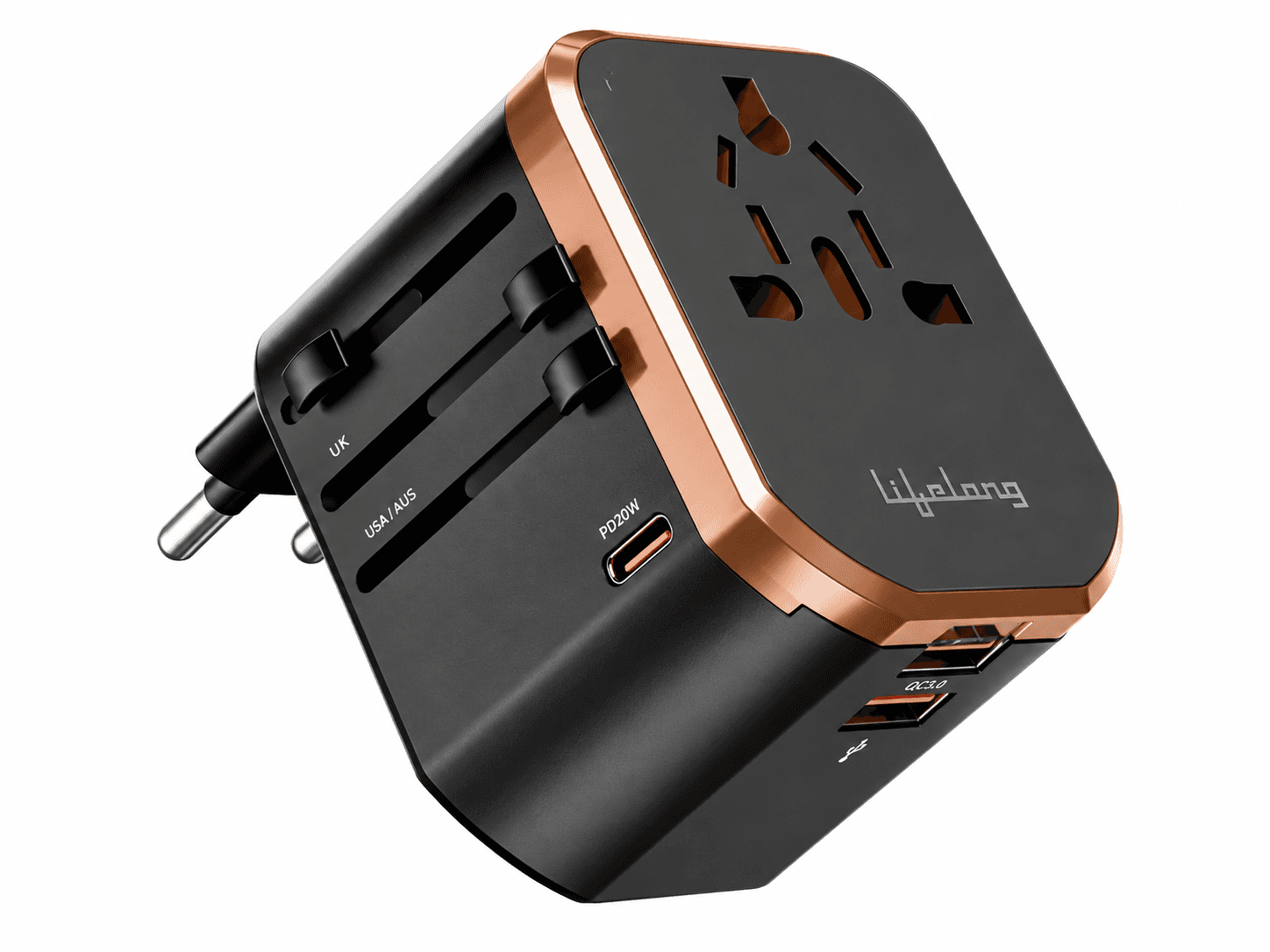
India uses 230V electricity at 50Hz, with Type C, D and M plug configurations commonly encountered.
Travellers whose devices use different plug types should carry a universal adapter.
A power bank is also useful during long travel days, particularly on road journeys, excursions and wildlife safaris.
Before leaving home:
Pack a universal adapter.
Check your devices' voltage compatibility.
Carry charging cables in your hand luggage.
Consider carrying a power bank.
Understanding Indian Culture & Etiquette
India's cultural diversity means that etiquette can change significantly from one region to another.
The best approach is not to memorise an endless list of rules. It is to observe, ask and adapt.
Greetings & Interactions
Indian hospitality is often warm and curious. Visitors may be asked where they are from, how long they are staying or whether they are enjoying India.
In some places, travellers may also be asked for photographs, particularly when visiting less tourist-heavy areas.
You are free to accept or decline according to your comfort.
A polite “no, thank you” is usually enough.
Religious & Heritage Sites
Temples, mosques, monasteries, gurudwaras and other sacred spaces may have their own rules.
Depending on the site, visitors may be expected to:
Dress modestly.
Remove footwear.
Cover shoulders or legs.
Follow photography restrictions.
Avoid interrupting rituals.
Follow instructions from guides or site staff.
When uncertain, ask.
Respecting a ritual you do not personally follow is one of the simplest ways to travel well in India.
Photography
Always consider context before taking photographs of people, particularly during religious ceremonies or in private spaces.
If someone appears uncomfortable, respect their privacy.
Public Behaviour
Social norms around public behaviour can differ from those in Western countries. Public displays of affection may attract attention in more conservative environments.
The easiest rule is to observe the setting and adapt to it.
Shopping in India
Shopping in India is not simply a souvenir exercise.
It can be an introduction to the country's living craft traditions—from handwoven textiles and block printing to jewellery, carpets, ceramics, miniature painting and regional handicrafts.
The challenge is knowing what you are buying.
A knowledgeable local expert can help distinguish between mass-produced products and genuinely regional craftsmanship, explain the story behind a technique and direct travellers toward reputable establishments.
Smart Shopping Principles
Ask about the origin and material of a product.
Understand how an item was made.
Compare prices before purchasing expensive pieces.
Keep receipts for higher-value purchases.
Be particularly careful with antiques and items made from protected materials.
Ask your guide about reputable stores and artisans.
The most meaningful purchase is often the one that comes with a story.
Staying Safe in India
India is well suited to organised travel, but normal international travel precautions remain important.
Crowded markets, railway stations, transport hubs and major monuments can become extremely busy.
Keep passports, phones and wallets secure, and avoid carrying unnecessary amounts of cash.
Practical Safety Habits
Keep important documents secure.
Use hotel safes where available.
Keep bags close in crowded areas.
Use established transport providers.
Be cautious with unsolicited offers.
Avoid unusually cheap deals from unknown providers.
Keep emergency contacts accessible.
Tell your guide or travel representative if something feels uncomfortable.
Cards & ATMs
When using an ATM, choose an established bank-operated machine where possible.
Keep your PIN covered, do not allow your card to disappear from your sight and check the transaction amount before confirming payment.
For organised journeys, your local DMC or representative can also help you navigate situations that may be unfamiliar.
The objective is not to travel anxiously. It is to travel awareness.
Apps That Make India Easier
A few well-chosen apps can simplify everyday travel.
Transport & Navigation
Uber — Ride-hailing in many major cities.
Ola — Another ride-hailing option, with availability varying by location.
Google Maps — Navigation, restaurants, attractions and approximate journey times.
IRCTC Rail Connect — Useful for Indian Railways bookings and information.
Flights & Airports
Your airline's official app is useful for flight status, check-in, baggage information and schedule changes.
DigiYatra may be available to eligible passengers at participating airports; availability and requirements should be checked before relying on it.
Money
Keep your bank and card-provider apps installed so you can monitor transactions, receive alerts and temporarily lock a card if necessary.
Eligible international travellers can also explore UPI One World for digital merchant payments.
One important rule: download and configure essential apps before you leave home. Some services may require account verification, an OTP or a stable internet connection.
Essential Numbers & Travel Resources
Save important contacts before travelling rather than searching for them during an emergency.
India's national emergency number is 112, while the Government of India's tourist helpline is 1363. These numbers are listed on the official Incredible India emergency page.
Also save:
Your hotel's contact details.
Your travel insurance emergency number.
Your airline's contact information.
Your local travel representative or DMC contact.
Your country's Indian embassy or high commission.
For broader destination planning, the official Incredible India portal provides information on destinations, travel planning, weather, tourism facilities and emergency resources.
Keep important information both digitally and offline, particularly your passport details, visa information, accommodation addresses and flight details.
Frequently Asked Questions About Visiting India
1. Is India suitable for a first-time international traveller?
Absolutely—but India rewards thoughtful planning. The country's scale, regional diversity and infrastructure differences mean that a well-designed itinerary can make the experience significantly more comfortable. A knowledgeable local partner can also help manage transportation, timing, guides, hotels and unexpected changes along the way.
2. How far in advance should I plan a luxury trip to India?
For peak travel periods, sought-after heritage hotels, wildlife experiences and highly personalised arrangements, advance planning is advisable. The ideal lead time depends on the season, destination and level of exclusivity required. Travellers interested in India during the October–March high season should generally begin planning well ahead of departure.
3. Can dietary requirements be accommodated in India?
Yes. India's culinary diversity makes it possible to accommodate many dietary preferences, including vegetarian, vegan and gluten-free requirements. Strict allergies should always be communicated in advance and repeated when dining independently.
4. Should I use cash, cards or digital payments?
Use a combination. Cards are widely accepted at established businesses, cash remains useful for smaller purchases and local services, and eligible international visitors can explore UPI One World for digital merchant payments.
5. Do I need a DMC for my India trip?
Not every traveller does, but India is a destination where local expertise can add considerable value—particularly for multi-city, luxury, wildlife, heritage or highly personalised journeys.
A strong DMC does more than arrange hotels and transfers. It understands the realities behind the itinerary: actual road times, seasonal conditions, local access, guide expertise, restaurant choices, permits, operational changes and the small details that keep a complex journey flowing.
India Is Best Experienced, Not Simply Covered

India is too large, too diverse and too layered to be reduced to a checklist.
The most rewarding journeys are not necessarily the ones that fit the greatest number of destinations into the fewest days. They are the ones that understand rhythm: when to slow down, when to fly, when to take the scenic road, when to wake before sunrise and when to leave an afternoon completely unplanned.
A palace in Rajasthan, a dawn boat ride in Varanasi, a spice-filled kitchen in Kerala, a tiger track in Madhya Pradesh or a quiet Himalayan monastery can all become extraordinary experiences—but only when the journey around them has been designed thoughtfully.
That is where local knowledge matters.
IndiHorizons works with travel advisors and discerning travellers to create journeys across India that combine the comfort of luxury with the depth of genuine connection. With on-ground expertise, trusted local relationships and more than three decades of combined experience across the Indian subcontinent, the focus is not simply on taking travellers to India's famous places, but on helping them experience the country with greater context, access and ease.
Explore India with IndiHorizons or speak with the IndiHorizons team about creating a journey shaped around your traveller's interests, pace and expectations.
Because the best India journeys are not the ones that simply show you more.
They are the ones that help you see more.