When most travellers dream of a luxury wildlife safari, their minds instinctively drift to the sweeping savannahs of East Africa, the thundering herds of the Serengeti, or the private game reserves of South Africa. And rightly so, the African safari is a legendary bucket-list experience.
But there is an untold, deeply rewarding chapter in the world of luxury wildlife travel that many travellers overlook.
India offers one of the most astonishingly diverse, raw, and biologically rich wilderness experiences on the planet. Far from just a land of ancient monuments and vibrant festivals, India's untamed landscapes are home to an incredible array of megafauna that rival any destination on Earth.
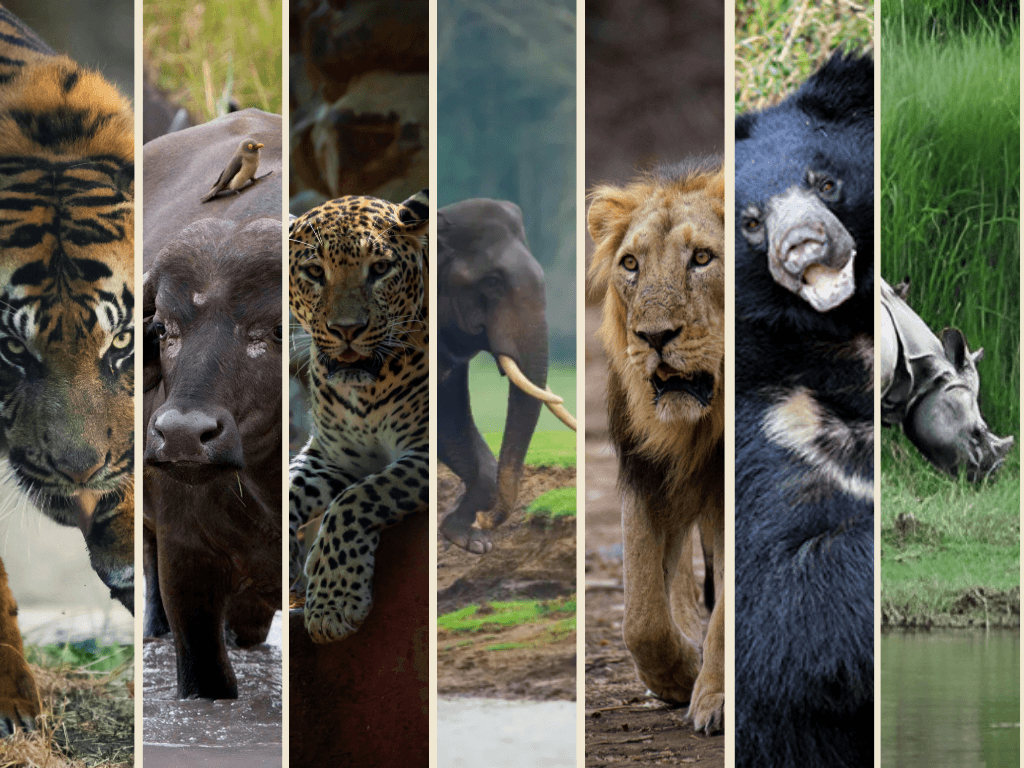
At IndiHorizons, we have spent decades tracking, studying, and designing private journeys through these wild corridors. To truly capture the essence of this subcontinent’s natural heritage, we have curated what we call India’s Big 7, seven iconic, massive species that define the soul of the Indian wilderness.
Why are they called the "Big 7" of India?
The concept of the "Big Five" originally arose in Africa to describe the five most difficult and dangerous animals to hunt on foot. In modern luxury travel, that definition has beautifully evolved from a hunter’s metric into a celebration of conservation, scale, and wildlife viewing.
In India, we expanded this concept to the Big 7. We chose these specific seven species because they represent the true ecological titans of the Indian subcontinent. They are the apex predators, the ancient mega-herbivores, and the rarest evolutionary wonders of Asia.
Furthermore, "The Big 7" highlights a fact that surprises even seasoned safari enthusiasts: India is the only country on Earth where you can track both wild tigers and wild lions, alongside five other massive, prehistoric mammals. To see them all requires a journey through an incredibly intricate tapestry of ecosystems—from the dense sal forests of Central India and the sun-bleached deciduous tracks of Gujarat, to the tall, alluvial floodplain grasslands of Assam.
Meeting the Titans: History, Facts, and the Tracking Experience
Tracking India’s Big 7 is an immersive masterclass in patience, sensory awareness, and natural history. Here is a deeper look into the history, remarkable numbers, and true experience of encountering these seven legends in the wild.
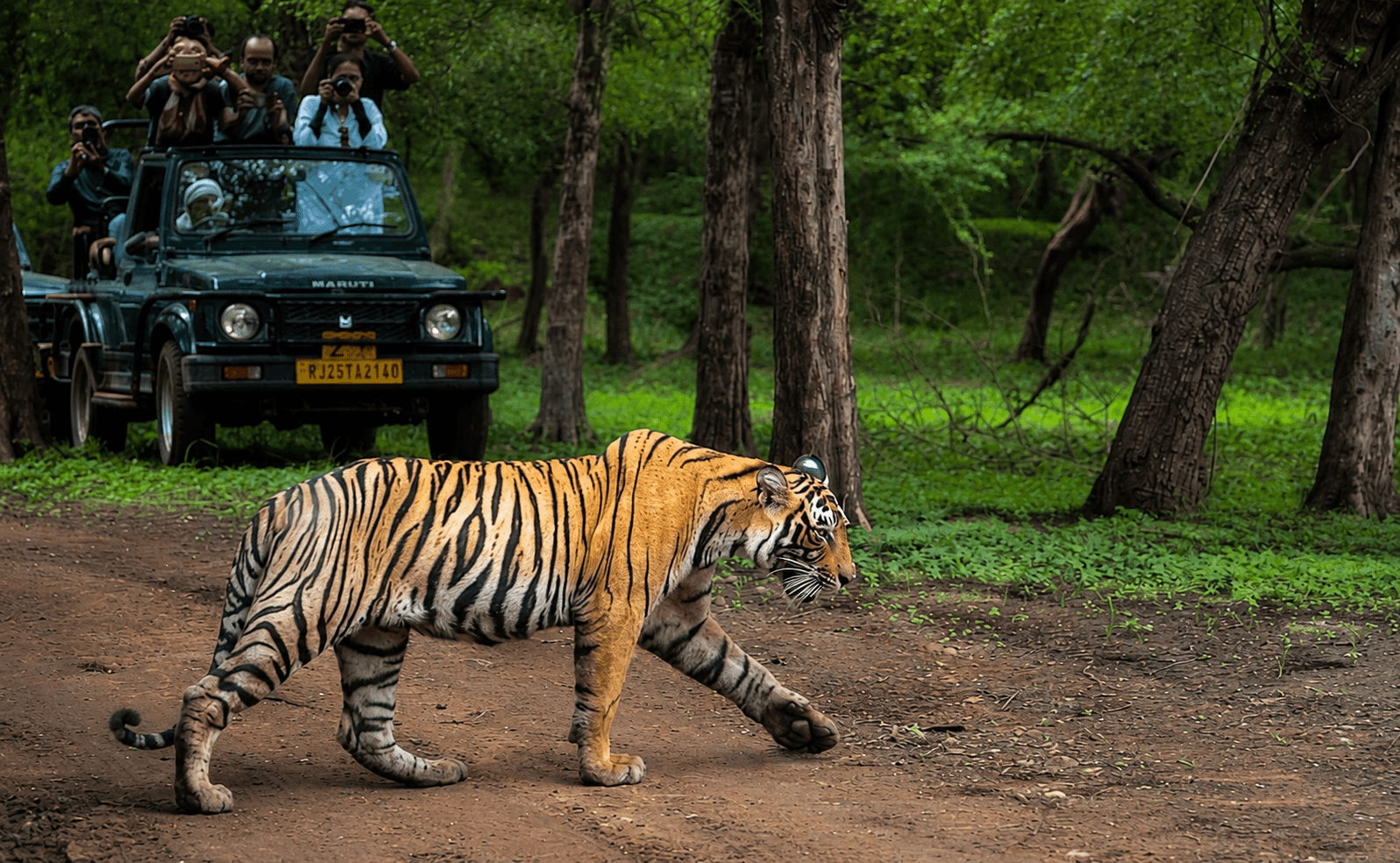
1. The Bengal Tiger (Panthera tigris tigris)
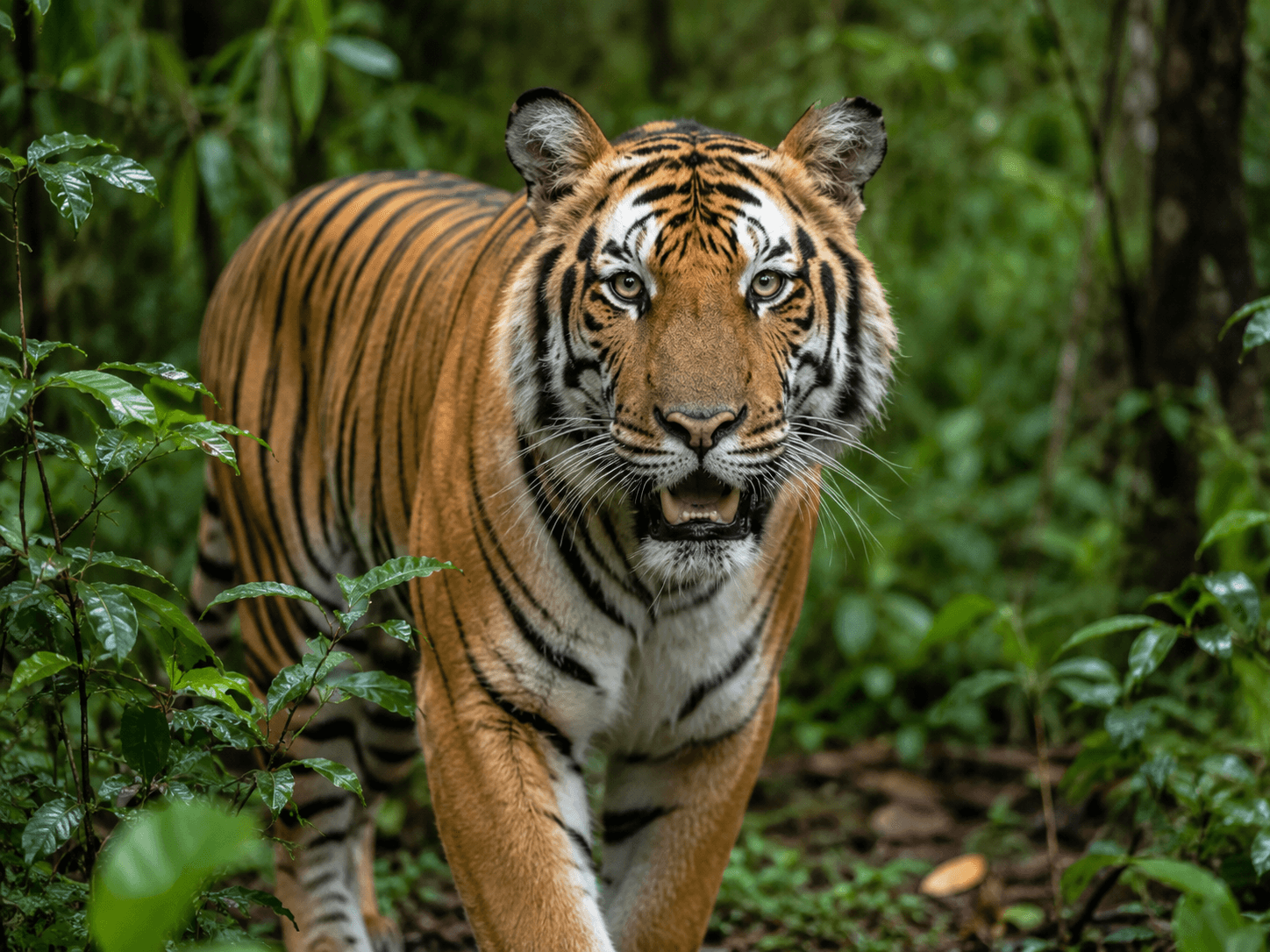
The undisputed ruler of the Indian jungle. The Bengal tiger has been woven into Indian folklore, royal history, and spiritual mythology for thousands of years, long revered as the ultimate symbol of power and grace.
By the Numbers: At the beginning of the 20th century, India was home to an estimated 40,000 tigers. Decades of colonial hunting and habitat loss drove them to the brink. Thanks to aggressive conservation efforts like Project Tiger (launched in 1973), India’s wild tiger population has steadily rebounded to over 3,600 individuals, representing more than 75% of the world’s wild tiger population.
The Experience: Tracking a tiger is unlike any other wildlife experience. Because they are solitary forest dwellers, you don't just drive up to them. Instead, you enter a real-life detective story. Guided by expert naturalists, you will learn to listen for the frantic, echoing alarm calls of langur monkeys and spotted deer—the jungle’s natural warning system that an apex predator is on the move.
2. The Asiatic Lion (Panthera leo leo)
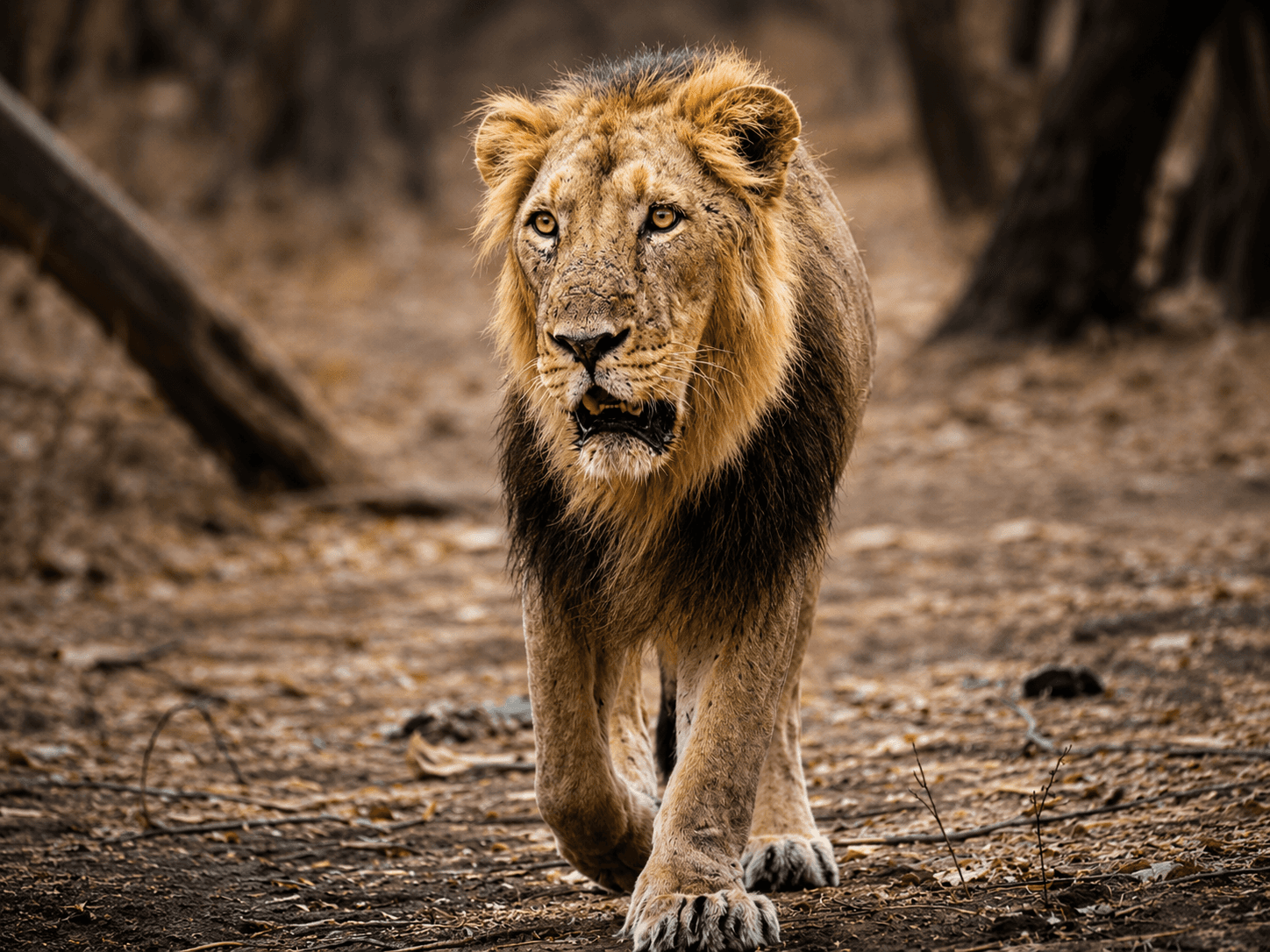
While many associate lions exclusively with Africa, the Asiatic lion historically roamed all the way from the Mediterranean and the Middle East across to Eastern India. Emperor warriors and ancient Indian texts frequently depicted these majestic kings.
By the Numbers: By the early 1900s, indiscriminate hunting had wiped out the Asiatic lion everywhere on Earth except for a single hunting reserve in Gujarat, where a mere 20 to 50 lions survived. Under the strict protection of local communities and the government, this critically endangered population has remarkably bounced back to around 700 lions today.
The Experience: Visually distinguished from their African cousins by a shorter mane and a characteristic longitudinal fold of skin running along their belly, watching a pride of Asiatic lions rest under the shade of a dry teak forest feels like stepping into a prehistoric pocket of the world.
3. The Indian Leopard (Panthera pardus fusca)
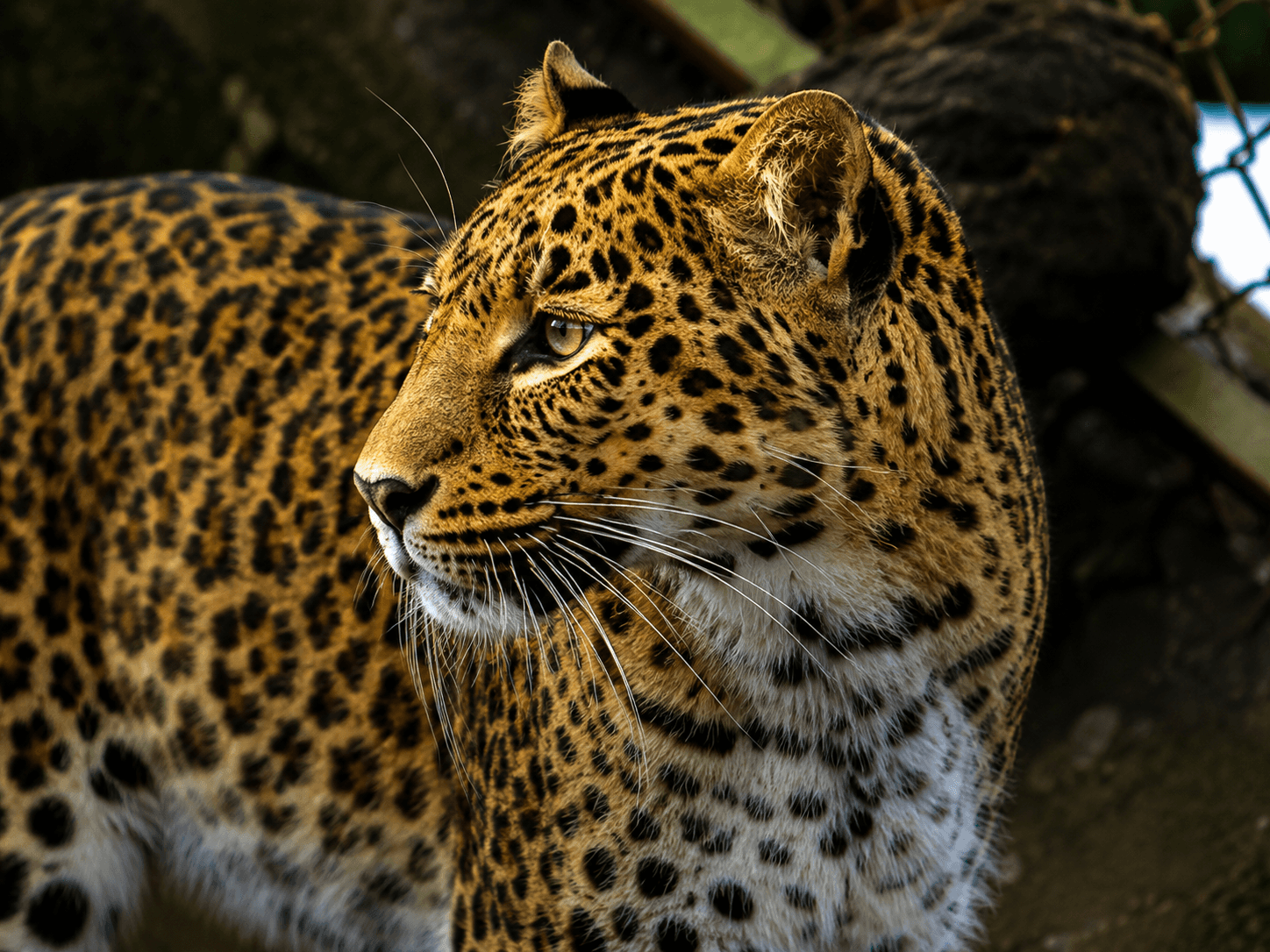
The Indian leopard is an ancient, incredibly resilient predator that has coexisted alongside tigers and human civilisations for millennia, famously chronicled in Rudyard Kipling’s tales of the central Indian highlands.
By the Numbers: India’s leopard population is estimated to be around 13,800 individuals. Because they are brilliantly adaptable, they thrive across vastly different terrains, ranging from deep tropical rainforests to rugged, arid landscapes.
The Experience: In the ancient, granite, moon-like hills of Northern India, leopards have claimed the rocky kopjes as their own. A luxury safari here involves scanning sheer, dramatic stone faces where these big cats lounge in plain sight, perfectly camouflaged against the rock, living in complete harmony with local pastoral tribes.
4. The Asian Elephant (Elephas maximus)

Deeply revered as living deities in Indian culture and history, the Asian elephant is a keystone species that has shaped the paths, forests, and river valleys of the subcontinent for thousands of generations.
By the Numbers: India is home to roughly 27,000 to 30,000 wild Asian elephants, which accounts for nearly 60% of the entire global population of the species.
The Experience: Smaller-eared but fiercely intelligent compared to their African relatives, seeing them in the wild is an exercise in pure serenity. Watching a tight-knit, matriarchal herd with young calves bathe in a misty sub-Himalayan river valley or seeing a massive tusker move with absolute silence through dense southern jungle canopies is a deeply humbling encounter.
5. The Greater One-Horned Rhinoceros (Rhinoceros unicornis)
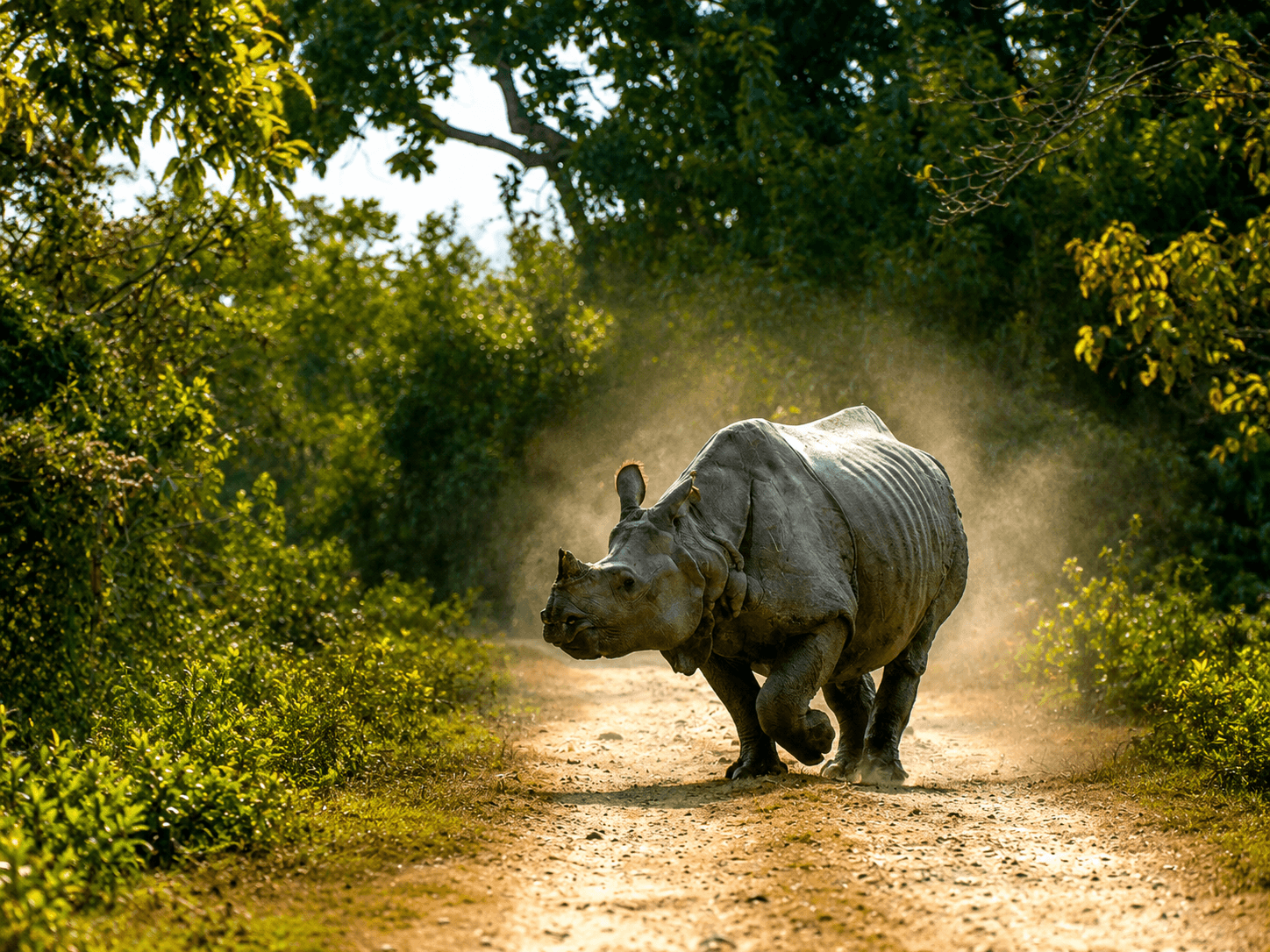
Looking like an ancient creature straight out of antiquity, this prehistoric giant once roamed across the entire northern stretch of the Indo-Gangetic Plain.
By the Numbers: By the turn of the 20th century, agricultural expansion and rampant poaching for their horns left fewer than 200 individual rhinos remaining in the wild. Today, in one of the world's most successful wildlife turnarounds, the population has surged to over 4,000 individuals, with the vast majority thriving in the protected floodplains of Northeastern India.
The Experience: Boasting armour-like folds of thick, gray skin and a single magnificent horn that can grow up to 24 inches, these massive herbivores dominate their landscape. As the morning fog lifts off alluvial river marshes, watching the colossal silhouette of a rhino emerge through the tall elephant grass feels less like a safari and more like a voyage back in time.
6. The Sloth Bear (Melursus ursinus)
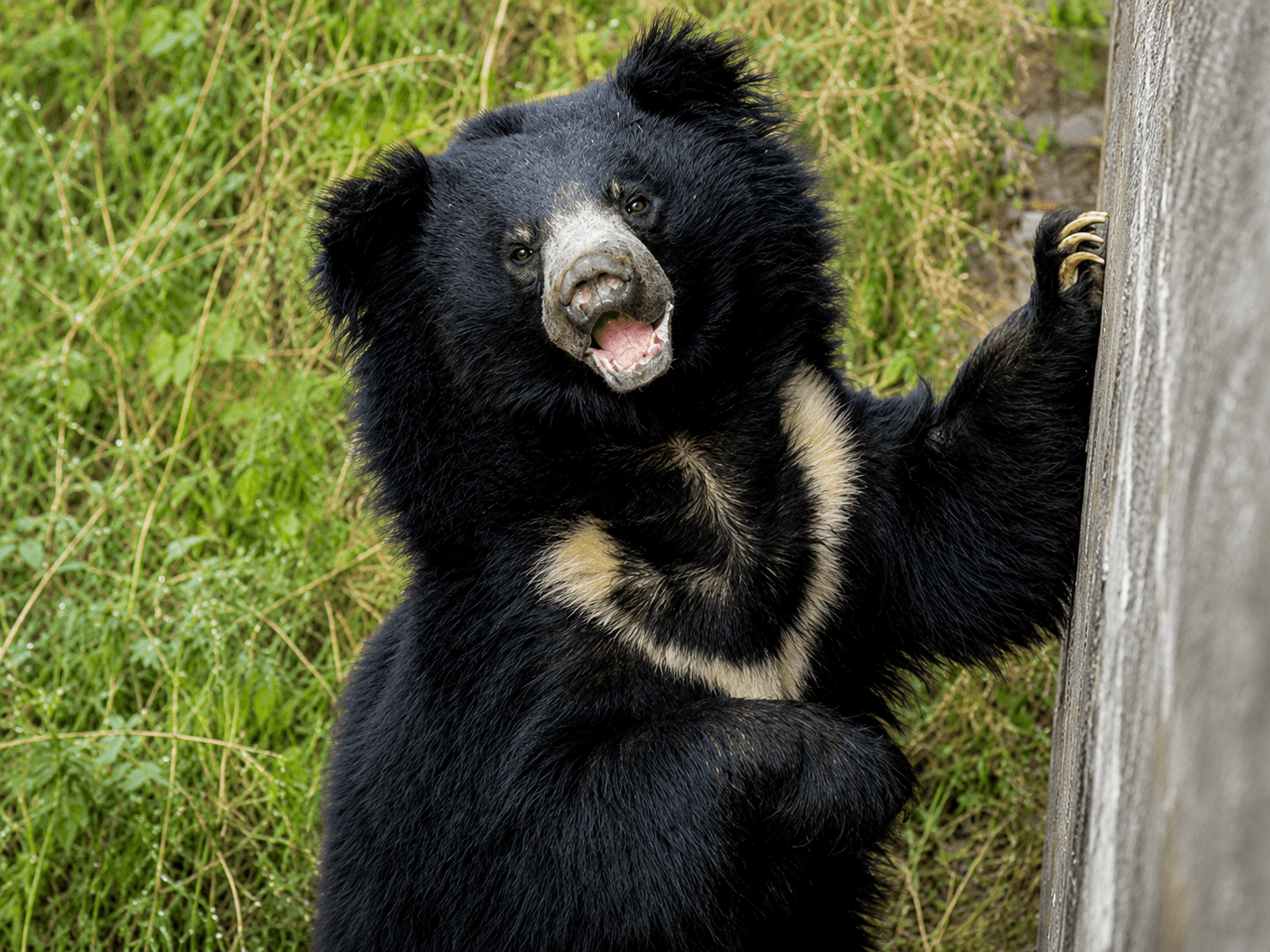
Unique to the Indian subcontinent, the Sloth Bear evolved specialised features over millions of years specifically to hunt social insects, making them one of the most physically distinct and animated bear species on Earth.
By the Numbers: It is estimated that between 6,000 and 10,000 sloth bears remain in the wild. They are primarily nocturnal or crepuscular, making daytime sightings a thrilling reward for patient travellers.
The Experience: Famously inspiring the character of Baloo, these bears sport long, shaggy black coats, curved ivory-like claws for digging, and a distinct white 'V' or 'Y' mark on their chests. They are wonderfully loud, chaotic foragers; you will often hear them grunting and furiously sucking termites out of rock mounds long before you actually spot them through the brush.
7. The Wild Water Buffalo (Bubalus arnee)
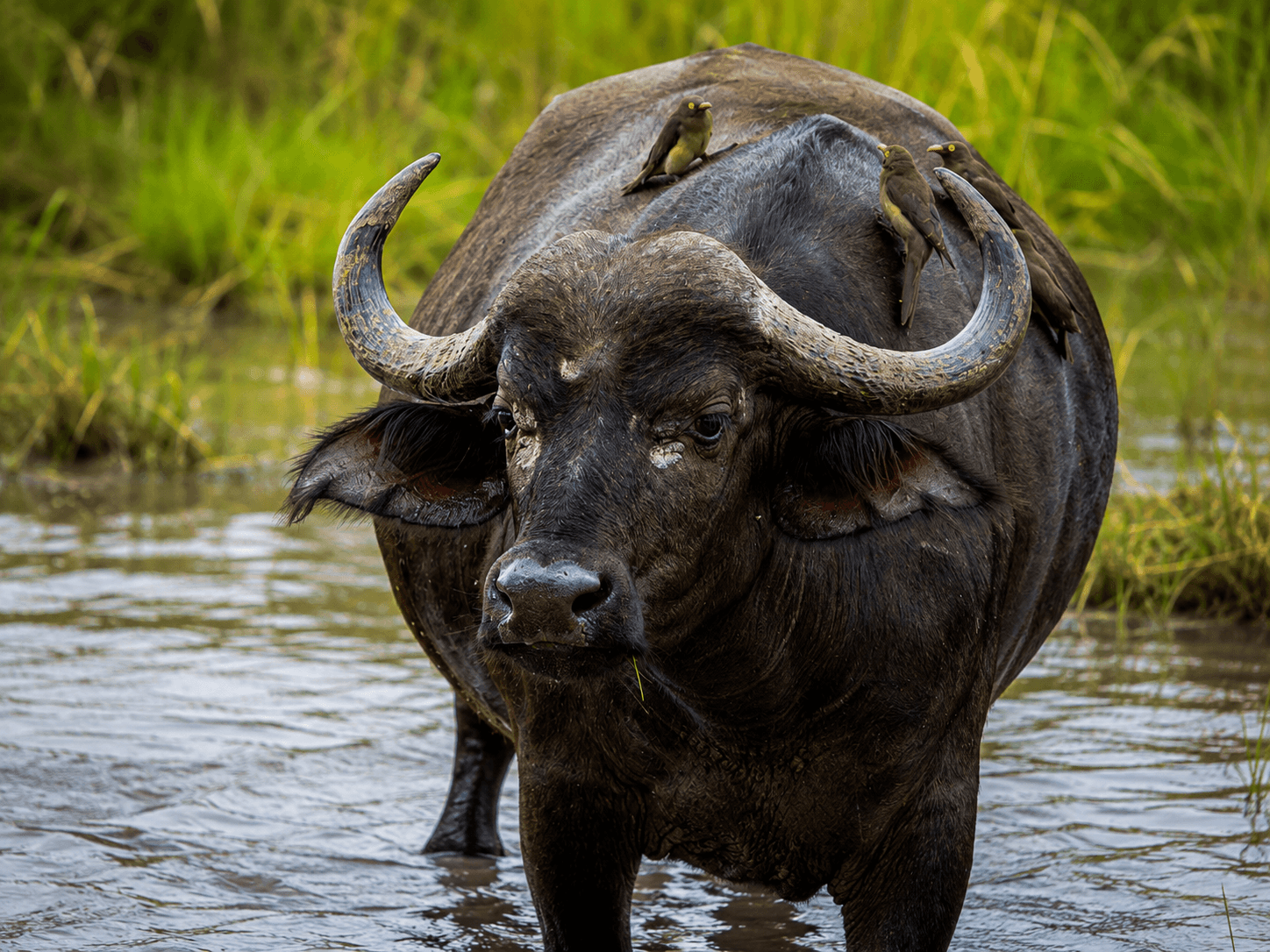
Massive, imposing, and fiercely independent, the true Wild Water Buffalo is the wild ancestor of all domestic water buffaloes worldwide, historically inhabiting the vast river valleys of South Asia.
By the Numbers: This is one of the rarest heavy mammals on Earth, with a global wild population of fewer than 4,000 individuals, nearly 90% of which are found clustered in India's eastern wetlands.
The Experience: Weighing up to a massive 1,200 kg (2,600 lbs) and sporting the longest horn span of any living bovid in the world—sometimes exceeding 6 feet from tip to tip—they are formidable and fiercely protective. Seeing them wade through deep marshlands alongside wild rhinos underscores the raw, untamed wildness of India's river frontiers.
Why India Offers a Distinctly Different Safari Experience
For seasoned travellers who have already crossed the Serengeti or tracked leopards in the Maasai Mara, India often comes as an extraordinary surprise. The rhythm of an Indian safari is unique.
A Journey of Discovery, Not Checklists: In India, the dense canopies and varied terrain mean wildlife doesn't simply sit out in the open waiting to be photographed. Every sighting is earned. It involves tracking, reading the subtle signs of the forest, and immersing yourself in the suspense of the chase.
The Intersection of Nature and Heritage: Unlike the isolated wilderness reserves of other continents, India’s forests are deeply intertwined with history. You might track a tiger past the ruins of a 1,000-year-old fort overgrown with ancient banyan trees, or encounter local communities who have lived in harmony with these apex predators for generations.
Frequently Asked Questions (FAQs)
Q1: What is the best time of the year to go on an Indian wildlife safari?
The Answer: The absolute best time for predator sightings is during the dry summer months of March to June. As water sources inside the forests dry up, major wildlife—including tigers, leopards, and elephants—frequently gather around remaining waterholes. For travelers who prefer pleasant weather and lush landscapes, October to February is ideal, though denser foliage makes tracking a bit more challenging. Most parks close completely during the monsoon season (July to September).
Q2: Am I guaranteed to see a Royal Bengal Tiger on a safari?
The Answer: No, sightings are never 100% guaranteed because Indian national parks are completely wild, unfenced ecosystems where animals roam freely. Tigers are naturally elusive and solitary apex predators. To maximize your chances of a sighting, it is highly recommended to book at least 3 to 4 separate safari drives in high-density parks like Tadoba, Bandhavgarh, or Kanha.
Q3: How far in advance do I need to book safari permits in India?
The Answer: International travelers should secure permits ideally 120 days (4 months) in advance. The Indian government strictly regulates and caps the number of vehicles allowed into specific park zones each day to protect the habitat. Popular zones sell out online within hours of opening, making early planning essential.
Q4: What is the difference between an Indian safari and an African safari?
The Answer: African safaris typically feature vast, open savannahs with massive herds of wildlife visible from a great distance. Indian safaris, by contrast, take place in dense sal forests, rocky terrains, and high elephant-grass meadows. The experience in India relies heavily on the thrilling art of tracking—using alarm calls from deer and monkeys to locate apex predators hidden within the jungle.
Q5: What should I pack and wear for an Indian jungle safari?
The Answer: * Clothing: Pack earthy and neutral tones (khaki, olive green, brown, tan) to blend into the environment. Bright colors and strong perfumes should be avoided as they can alert or distress wildlife.
Layers: Open-air 4x4 jeeps can feel freezing cold during early morning winter drives, yet change to scorching hot by mid-day, so dressing in layers is essential.
Gear: Bring a good pair of binoculars, a lightweight dust jacket or scarf to protect against dry trail dust, and a telephoto lens (300mm to 600mm) if you are a photography enthusiast.
Let Us Design Your Ultimate Indian Wilderness Journey
Because India’s Big 7 are spread across vast geographic distances—stretching from the rocky hills of the North and the dry forests of the West to the lush river valleys of the Northeast, designing the perfect wildlife itinerary requires an incredibly deep, highly specialised understanding of the subcontinent.
Each national park in India operates under strict, highly regulated government ticketing quotas and seasonal zone closures. Knowing which specific park zones are producing active tracking opportunities, navigating complex local permits, and aligning regional micro-climates is nearly impossible to execute successfully on your own.
This isn't a holiday you want to book off a generic internet template or attempt to stitch together yourself.
At IndiHorizons, we specialise in curating bespoke journeys with uncommon access. We manage all of the intricate logistics, secure the most coveted, high-demand park entries, and partner exclusively with the finest naturalists in the industry—professionals who can read a tiger’s footprint in the morning dust like a newspaper. We pair these rugged, exhilarating daytime tracking adventures with the absolute pinnacle of luxury: hand-picked wilderness lodges, tented camps that evoke old-world glamour, and pristine hospitality that rejuvenates you after a thrilling day in the bush.
Ready to seek out India’s Big 7?
Don't attempt to navigate the complex, wild corridors of Asia alone. Let our travel experts design an experience that is seamless, deeply immersive, and tailored precisely to your pacing and luxury preferences.
Connect with IndiHorizons Today to begin planning your private, custom-crafted Indian safari expedition.